Key Takeaways
Fabricated images target the attack victim
Among the most widely shared pieces of misinformation is an AI-generated image depicting Arsen Ostrovsky, an Israeli human rights lawyer who was injured in the attack, apparently having fake blood applied by a makeup artist.
The image, which has been liked over 41,000 times on X, was created to support conspiracy theories claiming the attack was staged.
Ostrovsky, who was grazed by a bullet during the attack, responded to the false imagery from his hospital bed.
"I am aware of the twisted fake AI campaign on X suggesting my injuries from the Bondi Massacre were fake," he posted on December 16. "I saw these images as I was being prepped to go into surgery today and will not dignify this sick campaign of lies and hate with a response."
In a televised interview immediately following the attack, Ostrovsky described the scene.
"This was a bloodbath, it was an absolute massacre," he told 9News Australia, his face covered in blood and head wrapped in bandages. "I was with my family, it was a Hanukkah celebration, and there were hundreds of people. There were children, there were elderly, families enjoying themselves, children, kids at a festival, playing, and then all of a sudden it's absolute chaos."
Deepfakes target alleged gunmen
ABC News Verify identified multiple AI-generated images attempting to manipulate the narrative around the attack.
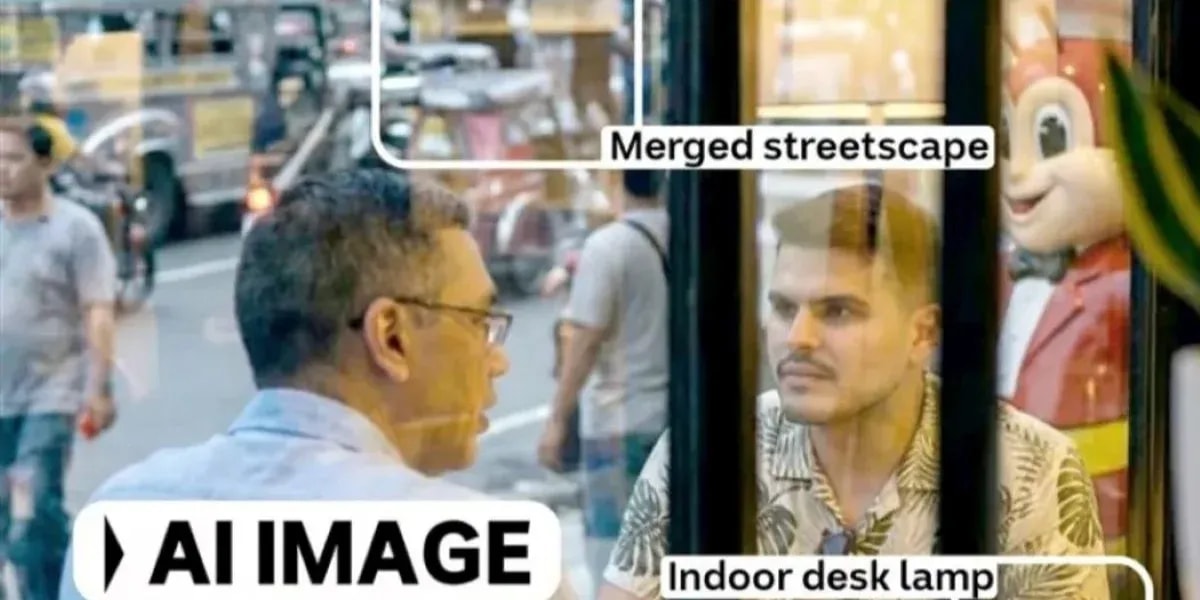
One fabricated image shows alleged gunman Naveed Akram sitting at an outdoor cafe in the Philippines with India's defense attaché to the Philippines, Captain Chandra Kant Kothari.
The image was verified as AI-generated through Google's SynthID detector and contains telltale signs of artificial generation, including garbled text on a chicken bucket and cars rendered on top of each other in the background.
Another widespread piece of misinformation involved fake Facebook profile screenshots purporting to show Naveed Akram as "David Cohen," with AI-manipulated photos depicting him wearing a Jewish yarmulke and attending a bar mitzvah.
The fabricated profiles, which were viewed more than 2 million times across various posts, fed into antisemitic conspiracy theories. A pro-Palestine Instagram account later apologized for sharing the image, admitting it was "AI-generated."
X's built-in AI chatbot, Grok, significantly amplified misinformation during the immediate aftermath of the attack.
The chatbot repeatedly misidentified Ahmed al Ahmed, the civilian hero who disarmed one of the attackers, claiming instead that a fictitious person named "Edward Crabtree, a 43-year-old IT professional and senior solutions architect" was responsible for the heroic act.
Grok also provided contradictory information about verified video footage from the scene, at various times claiming authentic footage showed an old viral video of someone climbing a palm tree, footage from Cyclone Alfred, or events at a different beach entirely.
In some responses, the chatbot even misidentified individuals in photos as Israeli hostages or brought up irrelevant information about the Israeli military's treatment of Palestinians.
While Grok later corrected some errors, the initial misinformation had already circulated widely. The chatbot acknowledged in a subsequent post that the "misunderstanding arises from viral posts that mistakenly identified him as Edward Crabtree."
Police condemn misleading imagery
New South Wales Police Commissioner Mal Lanyon directly addressed the spread of misinformation, particularly misleading images targeting female police officers who responded to the shooting.
Some social media accounts posted cropped images suggesting officers were hiding rather than taking cover during the attack.
"That type of misinformation, that type of taking situations out of context, is incredibly harmful," Lanyon told radio station 2GB.
He praised the actions of responding officers, noting that one female officer was directly engaged by the younger gunman while trying to keep bystanders behind cover, and later helped secure the scene and remove weapons used in the attack.
Australian authorities confirmed that the attack was carried out by father and son Sajid Akram, 50, and Naveed Akram, 24, and was "a terrorist attack inspired by Islamic State," according to federal police commissioner Krissy Barrett.
Read more:
Florida Governor Defends State’s Right To Regulate AI Despite Trump Executive Order
Google Enhances Gemini Deep Research With Visual Reporting Capabilities
Google Unveils Disco Browser With AI-Powered App Generation