

Face Detection
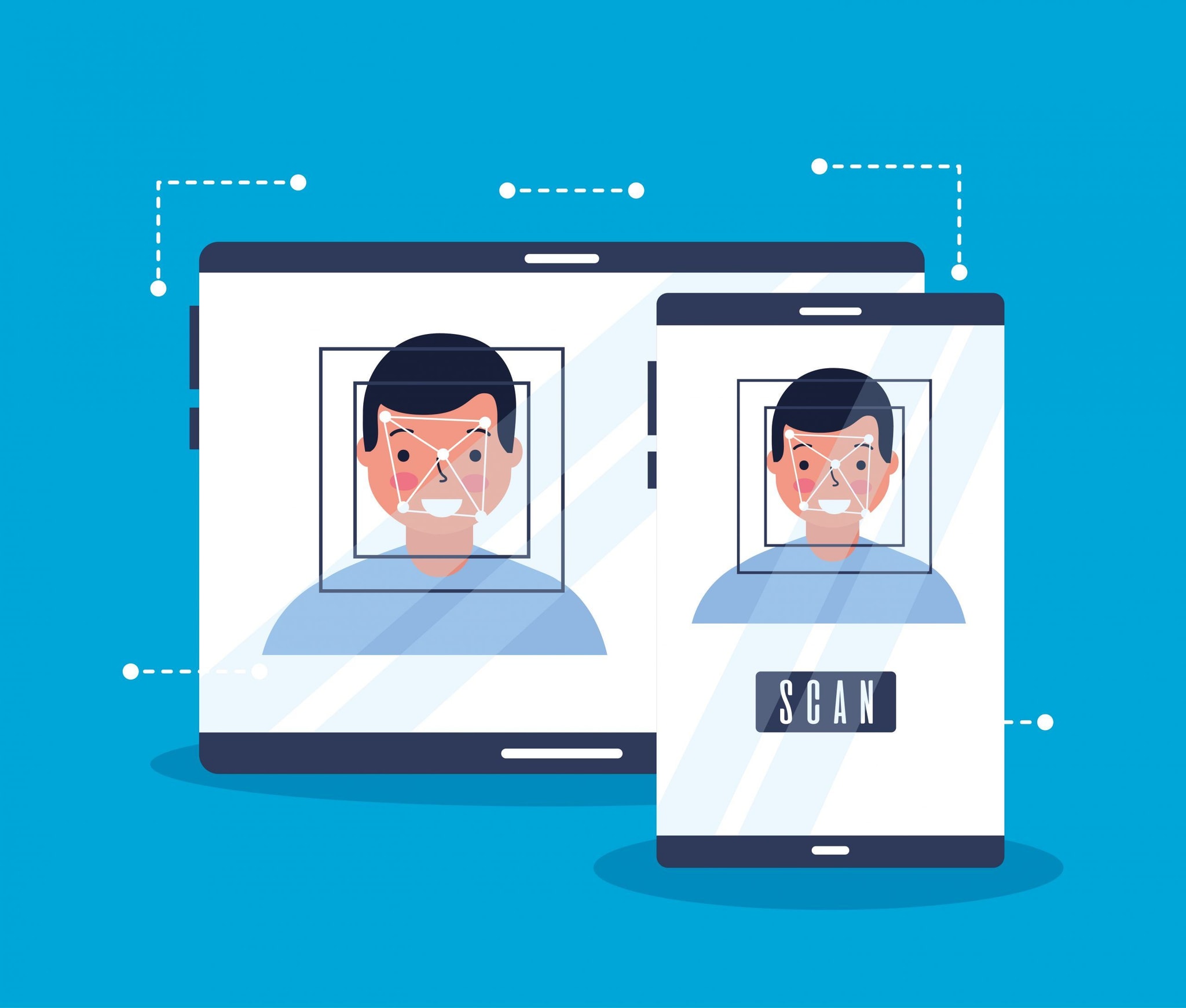
The demand for facial recognition technology is rising quickly on a global scale. By 2028, the market is expected to rise by about $13 billion. However, business executives must consider several variables before starting any projects when employing facial recognition technology. Using facial recognition in your company can become a challenging and complicated procedure without these factors.
This paper examines Use Cases for Facial Recognition to assist business executives in making the best choices.

Numerous aspects of our lives are relying more and more on facial recognition. Technological breakthroughs have made things previously only seen in movies a reality. Our faces may now accurately and precisely recognize us for various purposes, from rapidly unlocking our phones to processing facial recognition at the passport check. Let's first look at facial recognition before delving deeper into actual face recognition use cases.
Face recognition, commonly called face detection, is a biometric method that recognizes people by their facial characteristics. Software and systems for face recognition capture patterns on a person's Face, and scan them and compare them to a model of that person's Face to verify identification.
https://youtu.be/iMkIotX9tpg
Across the world, security systems are common in homes, offices, and public spaces, which promotes safety and well-being. Wi-Fi-connected home cameras to sophisticated IP camera systems are all types of video surveillance systems that offer superb real-time monitoring and the capacity to save recordings of previous occurrences for review and analysis.
Traditional security measures focus on watching recorded or live video feeds and manually notifying designated staff of suspicious activity. This process is expensive, time-consuming, and unreliable. Face recognition technology can be integrated into security systems to improve surveillance and security across sectors and cut costs.
It can recognize everyone in the system's database and anyone in sight of a camera, delivering alerts for targeted human action. Furthermore, facial recognition is capable of much more! This technology offers law enforcement many benefits because it helps with crime detection and prevention. It may contribute to the safety of people around the globe. Let's examine five security-related incidents to gain a better understanding of the technology:
Find criminals and stop crime
Find Missing Children
Quicken Investigations
Facial recognition also shows increasing promise for retail to enhance in-person and online customer care. For example, apparel detection software helps the fashion industry on a large scale. There is an even greater need to investigate the potential applications of facial recognition in the retail industry as companies attempt to reduce contact points and simplify the purchasing process.
Over the next several years, pay by Face, which enables customers to make purchases simply by disclosing their faces to a specialized terminal, would also be implemented in the retail industry. In addition, facial recognition technology is being used in the retail sector to help create personalized customer experiences by accelerating investigations into fraud and theft and enhancing loyalty programs and in-store marketing initiatives.
Banking is another sector where facial recognition software is gaining ground. Passwords, PINs, and other ostensibly conventional security measures are no longer necessary, thanks to some banks' integration of such technology into their mobile banking systems. In addition, some ATMs use facial recognition software as an added layer of security.
This can help confirm that the individual withdrawing the money is the account owner and identify any possible background manipulation. In today's banks, face recognition is frequently employed for various functions. Special clients can be recognized and assisted as soon as they enter a facility, known criminals can be closely monitored, and staff can move around the property without scanning their keycards every few feet. Due to these factors, banks and other financial organizations no longer need to exert as much effort as they often do when dealing with customers.
Since the COVID-19 outbreak started, the health and safety of people in public and private spaces have been a top issue. As a result, many international regulations have been implemented, such as the obligation to wear a mask when leaving the house and the taking of temperatures before entering public spaces like train stations, workplaces, and shopping centers. This is an unusual use of facial recognition to make sure masks are worn correctly, especially in public settings, and to promote health. In addition, diseases that cause observable physical changes can be identified using face recognition software.
Institutions like schools, churches, and businesses must monitor attendance to ensure attendance rules are followed. Facial recognition software has been improved to record attendance reliably without the involvement of attendees, instructors, or supervisors. Additionally, it can be utilized to monitor student attendance and secure schools. Churches now use facial recognition technology to identify which people in their neighborhoods are present during services.
First responders can provide more effective care and save more lives by immediately scanning a catastrophe site for matches to a database of victims using facial recognition technology. Family members of the victims would have to provide pictures and blood type information for this application.
Blind people reading body language using facial recognition software can "see" a smile by turning their phones outward. For some who have never smiled, this may change their entire lives.
Another smartphone software helps people who are blind be more aware of their surroundings by announcing physical barriers like chairs or dogs along the road and reading exit signs and currency values when they go shopping. This allows blind people greater power and confidence to live their daily lives without the usual obstacles, enabling them to navigate their surroundings more effectively.
There is a growing possibility to create and implement these kinds of systems as facial recognition use cases expand. Moreover, facial recognition is now a practical alternative for many organizations because of improved hardware capabilities, artificial intelligence, and machine learning technologies. Companies must exercise caution, though, as the expenses of facial recognition are still quite high. Nevertheless, we are optimistic that as costs continue to decrease and technological capabilities rise, facial recognition will soon become a more widely used technology.
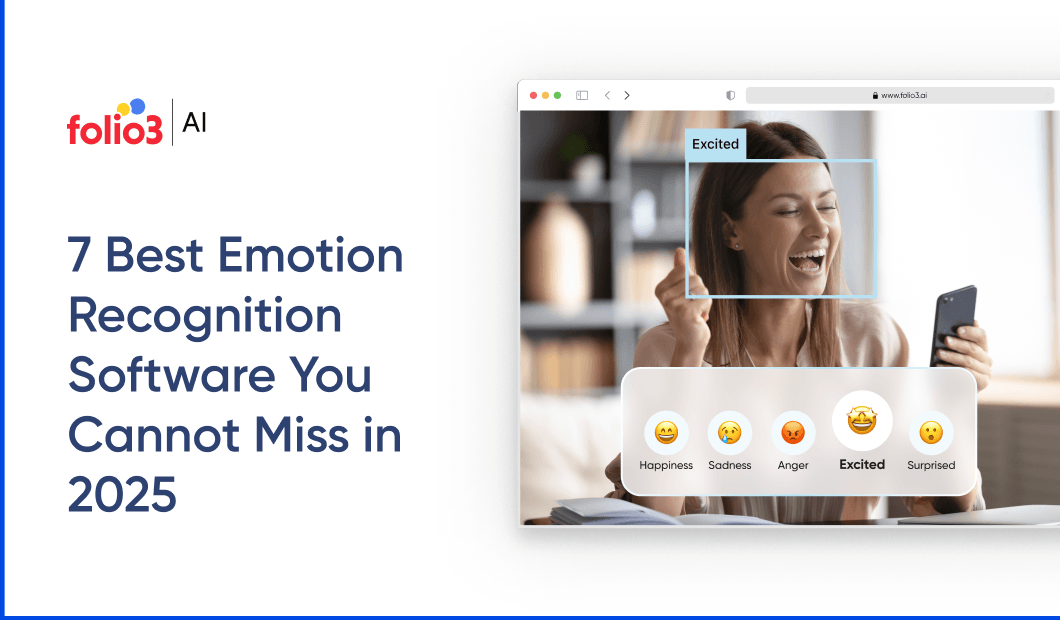
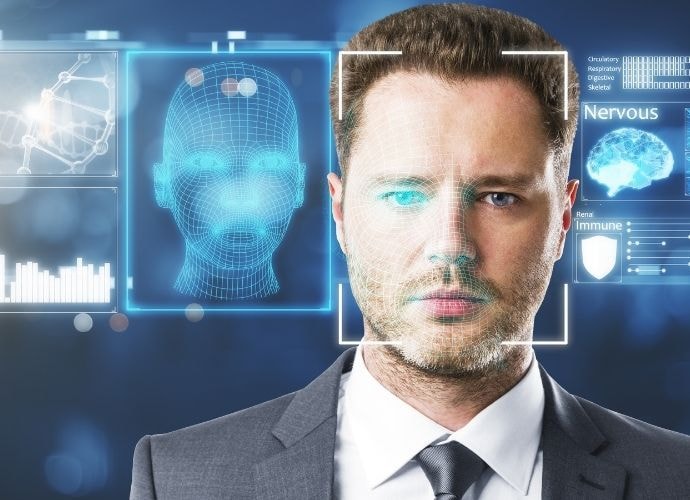
Many people are interested to know how Face recognition works. To understand the algorithms, we must first understand how a face is formed.