Key Takeaways
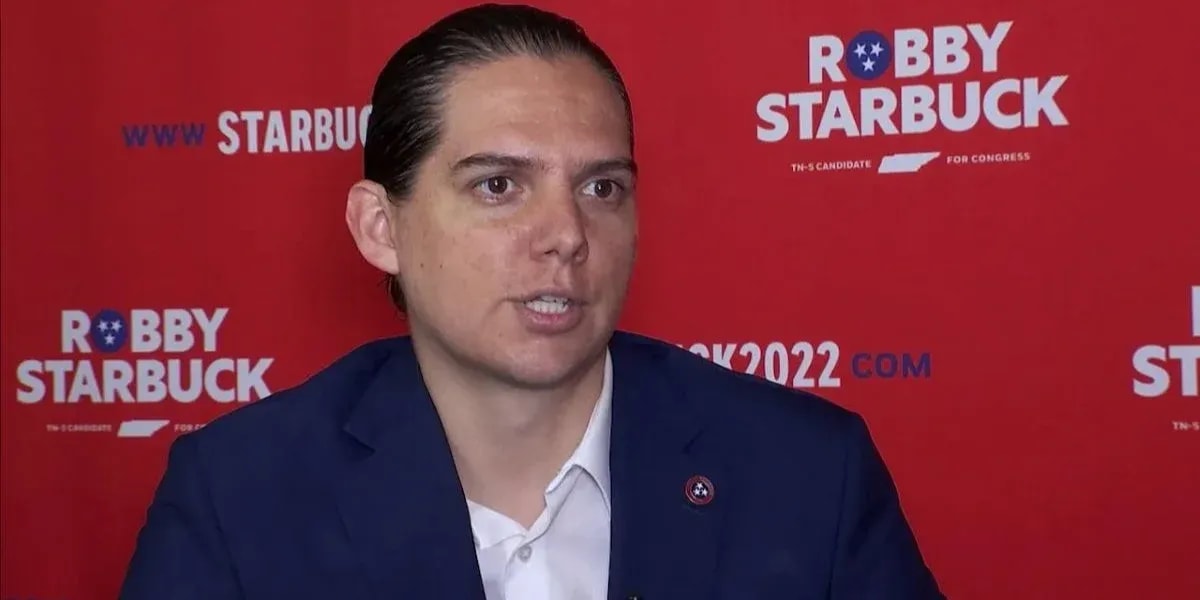
Conservative activist Robby Starbuck has filed a $15 million defamation lawsuit against Google, alleging the tech giant's artificial intelligence systems have been spreading false and damaging information about him for nearly two years.
The complaint, filed Wednesday in Delaware state court, accuses Google's AI platforms of generating what the lawsuit describes as "outrageously false" statements that have been delivered to millions of users.
According to the lawsuit, Google's AI systems falsely labeled Starbuck a "child rapist," "serial sexual abuser," and "shooter" in response to user queries.
The complaint further alleges that the AI tools fabricated claims that Starbuck had been accused of sexual assault, spousal abuse, attended the January 6 Capitol riots, and appeared in Jeffrey Epstein-related documents.
Google responds by citing 'hallucinations'
Google spokesperson Jose Castaneda acknowledged that most of the allegations relate to problems with the company's Bard large language model, which Google says it addressed in 2023.
"Hallucinations are a well-known issue for all LLMs, which we disclose and work hard to minimize," Castaneda said. "But as everyone knows, if you're creative enough, you can prompt a chatbot to say something misleading."
The lawsuit claims that Google's AI systems cited fabricated sources and non-existent news articles from mainstream media outlets, including Mediaite, Rolling Stone, Newsweek, the New York Post, Salon, and the Daily Beast, to support the false allegations.
According to Starbucks' complaint, the AI even provided URLs to these fictitious articles, giving users the impression they were reading from legitimate news sources.
Pattern of AI defamation claims
This lawsuit represents Starbucks' second legal action against a major technology company over AI-generated misinformation. In April 2025, he filed a similar lawsuit against Meta Platforms, which the companies settled in August. Under the settlement terms, Starbucks became an adviser to Meta on AI issues.
The current lawsuit alleges that Starbuck first became aware of the false information in December 2023 when Google's Bard AI falsely connected him with white nationalist Richard Spencer.
According to the complaint, Starbuck contacted Google about the issue, but the company failed to adequately address the statements. More recent problems allegedly emerged in August 2025 when Google's Gemma chatbot disseminated additional false allegations based on fictitious sources.
Starbuck, who is best known for his activism against diversity, equity, and inclusion initiatives, says the false allegations have had tangible consequences.
The lawsuit describes incidents where individuals approached him in public, believing the fabricated accusations. In one case cited in court documents, a woman asked Starbuck about sexual assault allegations after members of her mother's group discussed information generated by Google AI while considering whether to support his business causes.
"No one—regardless of political beliefs—should ever experience this," Starbuck said in a statement about the lawsuit. "Now is the time for all of us to demand transparent, unbiased AI that cannot be weaponized to harm people."
The activist also expressed concern about potential physical danger, noting in the lawsuit that the false accusations could lead to increased threats on his life.
The lawsuit comes amid growing concerns about AI-generated content and its potential to spread misinformation.
The case raises complex legal questions about liability for content produced by AI systems, particularly regarding the "actual malice" standard established in defamation law.
Under the New York Times Co. v. Sullivan precedent, public figures must prove that defendants knew information was false or acted with reckless disregard for the truth, a challenging threshold when applied to algorithmic systems that generate content through statistical prediction.
Alphabet, Google's parent company, has shown little market reaction to the lawsuit. As of early afternoon trading on the day the lawsuit was filed, the company's stock was up 0.06 percent.
Read more: