Key takeaways
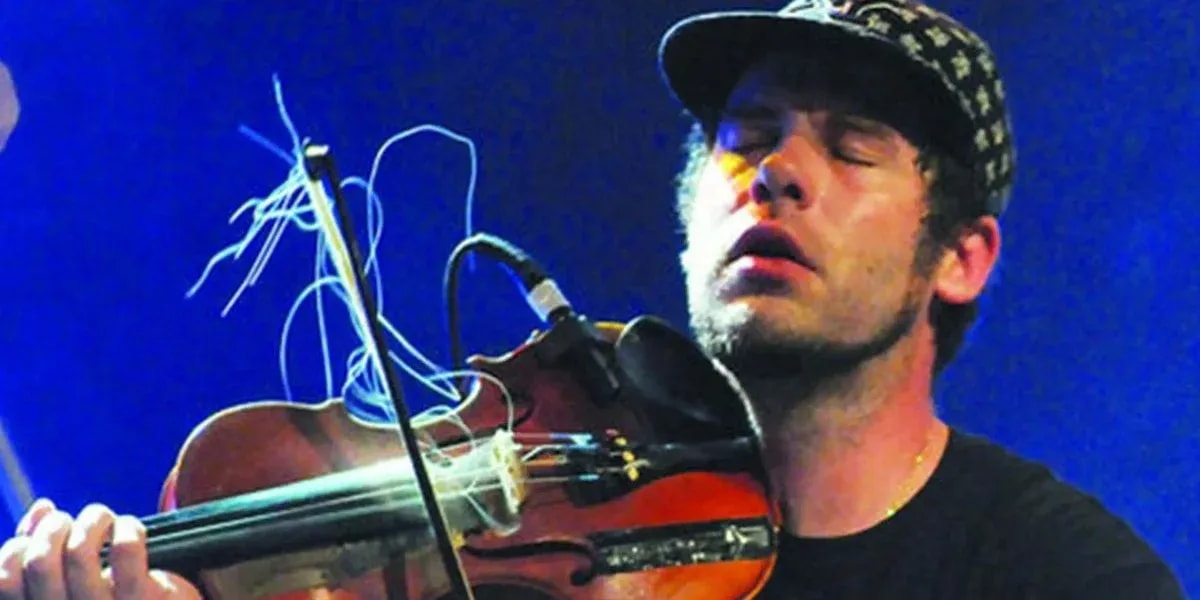
The Juno Award-winning musician learned of the error when the Sipekne'katik First Nation, located north of Halifax, confronted him with an AI-generated summary and cancelled his December 19 performance based on the false information.
Concert cancelled over mistaken identity
MacIsaac said the Google AI summary falsely claimed he had been convicted of sexual assault, internet luring, assaulting a woman, and attempting to assault a minor.
The summary also incorrectly stated he was listed on Canada's national sex offender registry.
"You are being put into a less secure situation because of a media company, that's what defamation is," MacIsaac said in a telephone interview with The Canadian Press.
"I could have been at a border and put in jail."
The 50-year-old virtuoso fiddler later discovered the erroneous information came from online articles about another man in Atlantic Canada with the same last name. The AI system had conflated the two individuals' identities.
"If a lawyer wants to take this on (for free) ... I would stand up because I'm not the first and I'm sure I won't be the last," MacIsaac added.
Apologies issued by Google and the First Nation
Google Canada spokesperson Wendy Manton issued a statement acknowledging the error: "Search, including AI Overviews, is dynamic and frequently changing to show the most helpful information.
When issues arise — like if our features misinterpret web content or miss some context — we use those examples to improve our systems, and may take action under our policies."
The Sipekne'katik First Nation issued a public apology to MacIsaac following the incident.
"We deeply regret the harm this caused to your reputation and livelihood," wrote Stuart Knockwood, the First Nation's executive director, on behalf of the chief and council.
"Chief and council value your artistry, contribution to the cultural life of the Maritimes, and your commitment to reconciliation."
The apology letter, shared with The Globe and Mail, continued: "It is important to us to state clearly that this situation was the result of mistaken identity caused by an AI error, not a reflection of who you are."
The incident highlights broader concerns about the reliability of AI-generated content as tech companies race to integrate artificial intelligence into their products.
Clifton van der Linden, an associate professor at McMaster University who has studied AI-generated misinformation, described the situation as a consequence of shifting public expectations.
"We're seeing a transition in search engines from information navigators to narrators," van der Linden said.
"I would argue that there's evidence to suggest that AI-generated summaries are seen as authoritative by lay users."
The information appearing in Google search results for MacIsaac's name has been fluid since he posted about the incident on social media.
As of Thursday, querying MacIsaac's name alone no longer returns an AI-generated biography, though different search combinations briefly continued to show false information before those were also corrected.
MacIsaac said he's looking forward to rescheduling the cancelled concert, but wants time for accurate information to circulate.
"I don't feel comfortable about going there right now because I don't think the proper information can be disseminated within a week. It's seen so many shares," he said. "I didn't want to bring any negative attention to the community."
The musician's only actual legal issue occurred in 2001 when he received an absolute discharge and no fine for marijuana possession in Saskatchewan.
When Judge Linton Smith granted the discharge, he told MacIsaac's lawyer, "The only condition I'd like to attach is if you could get my wife an autograph."
Read more:
OpenAI Acknowledges AI Browsers May Never Fully Escape Prompt Injection Attacks
After-School Employee Arrested For Allegedly Creating AI-Generated Child Pornography
New York Governor Signs RAISE Act Establishing Nation-Leading AI Safety Standards