Key Takeaways
The iPhone 17 lineup hit store shelves worldwide on Friday, September 19, 2025, drawing enthusiastic crowds from Beijing to London as Apple launched its latest flagship smartphones amid growing competitive pressures and questions about its artificial intelligence strategy.
Strong early reception despite competition challenges
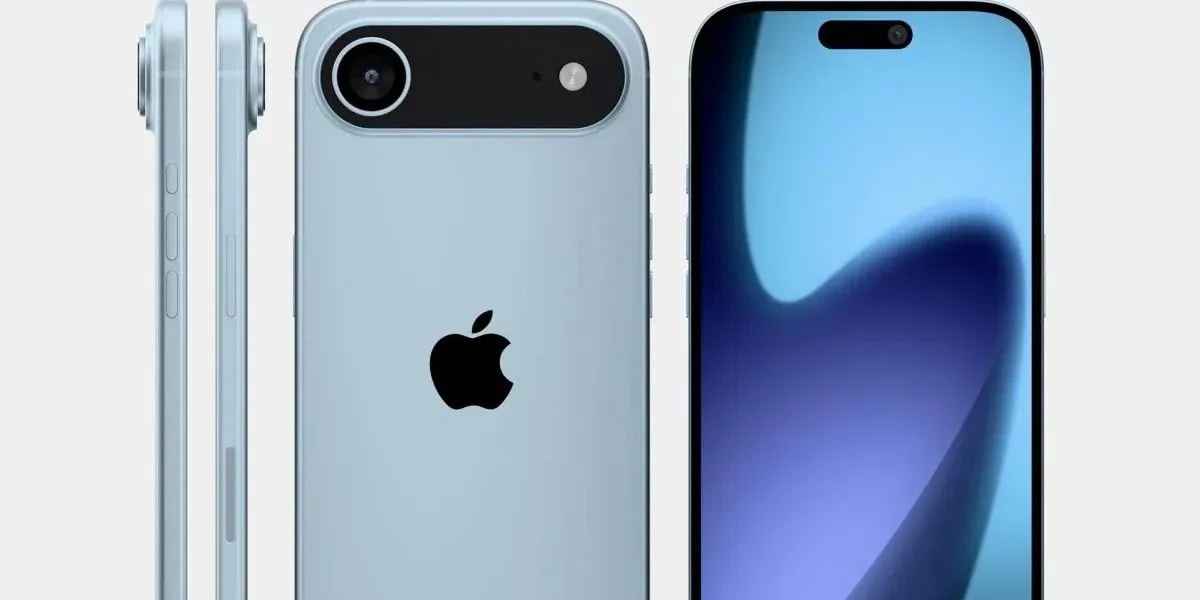
The global launch showcased Apple's continued appeal to consumers, with customers lining up for hours , and in some cases overnight, to get their hands on the new devices. The lineup includes the iPhone 17, iPhone 17 Pro, iPhone 17 Pro Max, and the ultra-thin iPhone Air, alongside new Apple Watch and AirPods models.
First in line at the Apple flagship Store in Sanlitun, Beijing, this morning, was Liu — he did not wish to be identified by his full name, who told CNBC that he had been queuing since 11 p.m. local time Thursday for his chance to pick up the iPhone 17 Pro Max.
Notably, Liu also said he has changed to Apple from Huawei in recent years, saying he preferred the iPhone for daily use and entertainment. Another person, who wished to be identified only by his surname, Yang, an erstwhile Xiaomi user, said he had been waiting to get his hands on the latest iPhone, preferring its operating system.
Early sales indicators from China appear positive. Last Friday, JD.com, one of China's largest ecommerce platforms, saw the first minute of iPhone 17 series preorders surpass the first-day preorder volume of last year's iPhone 16 series, the company reported.
Le Xuan Chiew, a research manager at Omdia, noted that "The iPhone 17 base model in particular has outperformed expectations, as the pricing at launch remained unchanged from its predecessor despite upgrades in memory storage."
China market share battle intensifies
Despite the positive launch reception, Apple faces significant challenges in China, one of its most critical markets. After years of leadership in the region, the iPhone-maker now only holds 10% of the Chinese smartphone market, trailing local players like Oppo, Huawei, Xiaomi and others, according to data from Omdia.
The competitive ground has shifted dramatically, with Huawei making a strong comeback after U.S. sanctions and Xiaomi reclaiming market leadership. According to recent market data, Chinese brands have aggressively launched new smartphones and developed their own operating systems to reduce dependence on foreign technology platforms.
Huawei shipped 12.2 million smartphones in China in the three months ended June, a rise of 15% year on year — equating to 18% market share, while Apple's market performance has faced headwinds from rising local competition.
Global reception and product features
Beyond China, the iPhone 17 series received enthusiastic reception in key markets. In Singapore, Iman Isa and Daniel Muhamed Nuv, two young professionals, both queued for hours at Apple's outlet in the city's iconic Marina Bay mall to buy iPhone 17 Pros, citing the fresh design, longer battery life and improved camera.
In London, lines were notably longer than they were at last year's launch of the iPhone 16, and customers appeared more interested in the premium offerings, the Pro and Pro Max models, this time around.
The iPhone 17 series brings significant upgrades, including a larger 6.3-inch display for the base model (up from 6.1 inches), ProMotion 120Hz refresh rate support across all models, and enhanced camera systems. The new lineup also features an A19 chip built on Apple's third-generation 3-nanometer node and improved battery life across the range.
AI strategy under scrutiny
A successful iPhone 17 launch comes at a crucial time for Apple as investors scrutinize the company's artificial intelligence strategy. The rollout of Apple Intelligence features has been underwhelming, with key capabilities delayed.
Speaking to CNBC's "Squawk Box Europe" last week, Ben Wood, chief analyst at CCS Insight, lauded Apple's latest product launches but said the company now needed to deliver on artificial intelligence.
"There is no question that Apple needs to deliver on AI," he said, noting that the company had "dropped the ball" last year by making big promises that failed to materialize.
The company's most anticipated AI feature - a dramatically improved Siri with personal context awareness and cross-app functionality - has been delayed until 2026, disappointing investors who expected Apple to compete more aggressively with rivals like Google and OpenAI.
Apple Intelligence currently offers basic features like text summarization, writing assistance, and image generation, but lacks the sophisticated capabilities demonstrated by competing AI systems. The company has partnerships with OpenAI for ChatGPT integration and is exploring collaborations with Google and Anthropic for enhanced AI capabilities.
Market outlook and investor concerns
Wall Street analysts express growing concern about Apple's position in the AI race. The company's stock has fallen around 14.5% this year. Needham analyst Laura Martin noted that Apple is "one to two years behind competitors, including Google, in artificial intelligence."
However, some analysts remain cautiously optimistic. Deepwater Asset Management founder Gene Munster suggests that pressure on Apple in AI is minimized in the near term due to the ongoing strength of iPhones, Macs, and Apple Watch, as competitors haven't yet found a killer AI feature.
The iPhone 17 series pricing starts at $799 for the base model with 256GB storage, unchanged from the previous generation despite hardware upgrades. The iPhone Air starts at $999, while the Pro models begin at $1,099 and $1,199 respectively.
Read more: