Key takeaways
Microsoft rolled out a significant expansion of its AI-enhanced Edge browser on Thursday, introducing features that bear a striking resemblance to OpenAI's newly launched Atlas browser, launched just 48 hours earlier.
The announcement marks the latest chapter in the intensifying battle over how artificial intelligence will reshape the way people navigate the internet.
Microsoft pushes deeper into AI-assisted browsing
The tech giant's updated Copilot Mode in Edge now includes two major additions: Copilot Actions and Copilot Journeys.
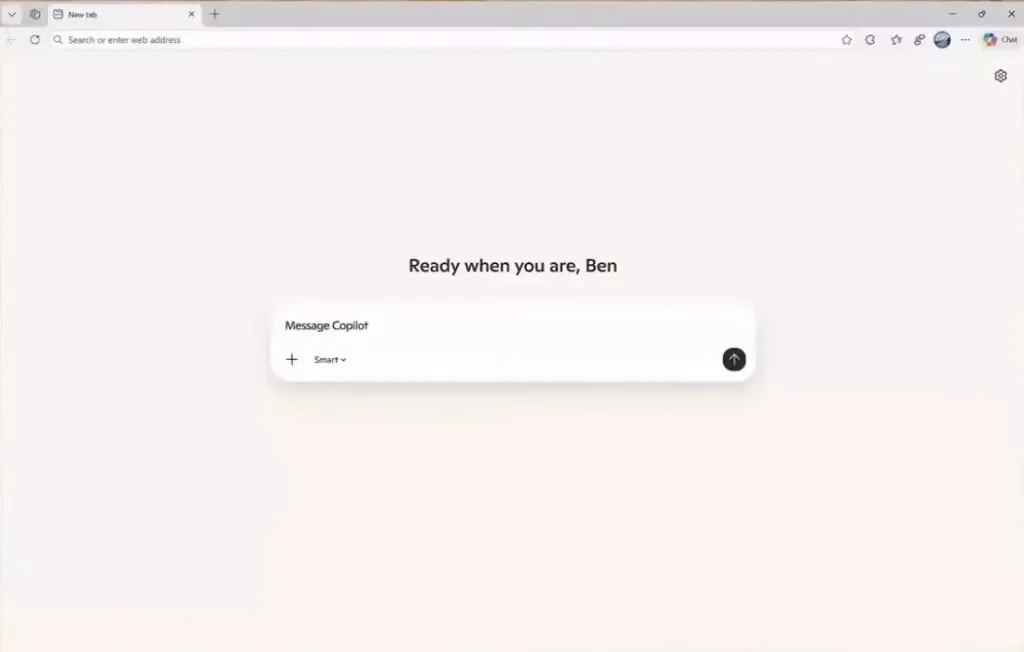
[caption id="attachment_32619" align="aligncenter" width="1024"]
A demonstration screenshot from Microsoft's Copilot for Edge. Image Credits: Microsoft (screenshot)[/caption]
These features transform the browser into what Microsoft calls a dynamic, intelligent companion that can anticipate user needs and complete complex tasks without constant manual input.
"Up until now, using a browser has meant doing all the work yourself—typing, clicking, tab-hopping and task-juggling," said Sean Lyndersay, vice president of Microsoft Edge, in the company's announcement. "With Copilot Mode in Edge, your browser can anticipate, assist, and accelerate your experience online—all with your permission."
Copilot Actions enables the AI to perform multi-step operations on behalf of users, such as unsubscribing from email newsletters or making restaurant reservations.
Meanwhile, Journeys automatically groups past browsing sessions by topic, allowing users to resume unfinished projects without manually reopening dozens of tabs.
Mustafa Suleyman, CEO of Microsoft AI, positioned the update as a fundamental evolution in browser functionality.
"Copilot Mode in Edge is evolving into an AI browser that is your dynamic, intelligent companion," Suleyman wrote in the announcement post. "With your permission, Copilot can see and reason over your open tabs, summarize and compare information, and even take actions like booking a hotel or filling out forms."
Striking similarities fuel speculation
The visual and functional parallels between Microsoft's Copilot Mode and OpenAI's Atlas browser are difficult to ignore. Both feature clean interfaces with AI sidebars that provide contextual assistance as users browse.
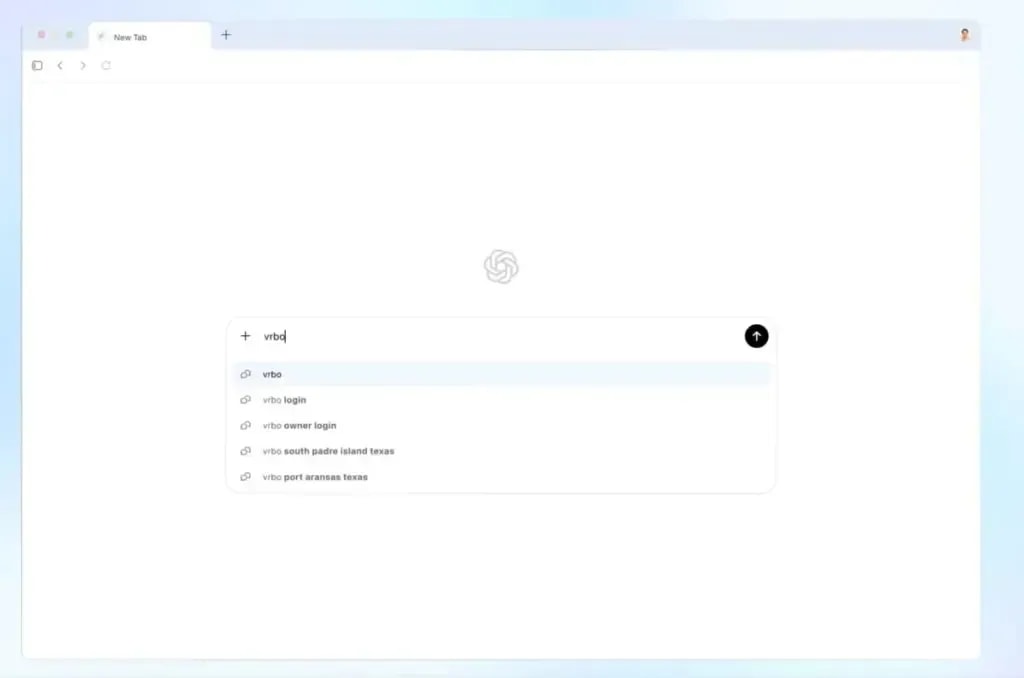
[caption id="attachment_32620" align="aligncenter" width="1024"]
A demonstration screenshot from OpenAI's Atlas announcement. Image Credits: OpenAI (screenshot)[/caption]
Side-by-side comparisons reveal nearly identical layouts, differing mainly in background shading and the positioning of chat windows.
While Microsoft's release had been scheduled for weeks and likely months in development, the proximity of the two launches has raised eyebrows in the tech industry.
Neither company invented the concept of an AI-powered browser, but the simultaneous emergence of similar products reflects the high stakes in the AI race.
"We think that AI represents a rare once-a-decade opportunity to rethink what a browser can be about and how to use one and how to most productively and pleasantly use the web," OpenAI CEO Sam Altman said during Atlas's announcement on October 21. "Tabs are great, but we haven't seen a whole lot of innovation since then."
Privacy and control at the forefront
Both companies emphasized user privacy and control in their announcements. Microsoft stressed that Copilot will only access browsing content when users explicitly grant permission, with clear visual indicators showing when the AI is active.
The company stated that it collects only what's needed to improve the user experience or what users choose to provide through personalization settings.
The enhanced Copilot Mode is currently available in a limited preview in the United States for free users on Edge for Windows and Mac, with mobile support coming soon. Microsoft has also added security features, including an AI-powered scareware blocker to protect against full-screen scam takeovers.
The broader competitive ground
The dueling browser launches come as traffic from AI agents is expected to surpass human browsing in the coming years. Google has integrated its Gemini AI into Chrome, while startups like Perplexity have launched their own AI browser, Comet.
The competition extends beyond browser features to the fundamental question of how people will access and interact with information online.
Microsoft's relationship with OpenAI adds complexity to the rivalry. The software giant has invested nearly $14 billion in OpenAI and relies heavily on its models to power Copilot.
Yet tensions have emerged, with OpenAI recently partnering with Microsoft competitors like Oracle on infrastructure projects.
Despite the competition, both companies are betting that AI-powered browsers represent the future of web interaction.
Read more: