
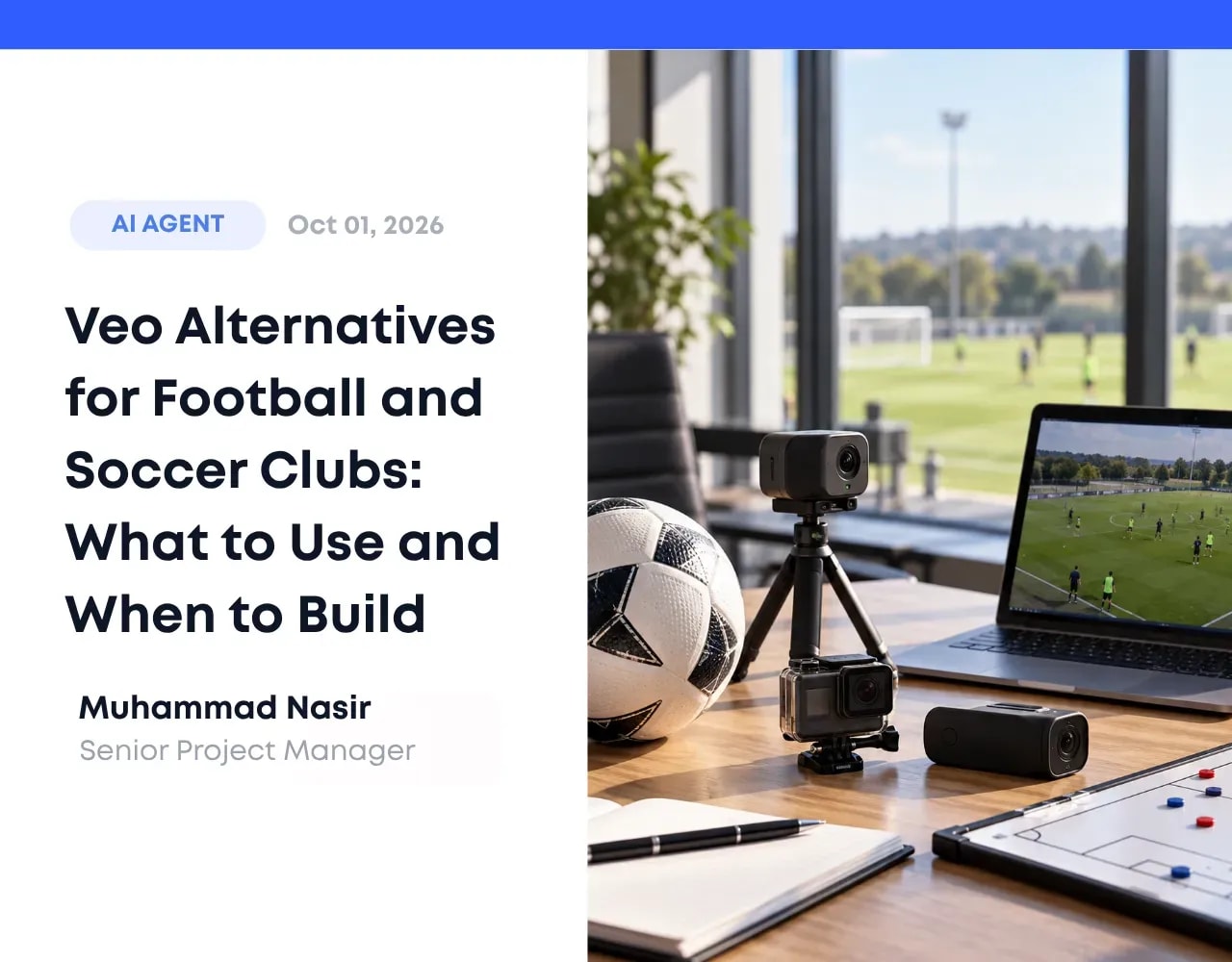
AI in Sports
Veo Alternatives for Football and Soccer Clubs: What to Use and When to Build
Compare Veo, Hudl, Spiideo and PlayVista for soccer clubs, and learn when custom AI video analysis software that you own is the better choice.
 AI & DataAgentic AI, computer vision, generative AI
 App DevelopmentWeb, mobile, and custom software
 SecurityEngineering, warehousing, analytics
 AgtechFarm, livestock, and crop software
 FoodtechTraceability and food supply chain
 Digital HealthEHR, telehealth, and interoperability
 NetSuiteERP implementation and support
 Microsoft DynamicsDynamics 365 and Business Central
 SalesforceCRM consulting and integration
 EcommerceB2B ecommerce, ERP integrations and migrationsAI & DataAgentic AI, computer vision, generative AIApp DevelopmentWeb, mobile, and custom softwareSecurityEngineering, warehousing, analyticsAgtechFarm, livestock, and crop softwareFoodtechTraceability and food supply chainDigital HealthEHR, telehealth, and interoperabilityNetSuiteERP implementation and supportMicrosoft DynamicsDynamics 365 and Business CentralSalesforceCRM consulting and integrationEcommerceB2B ecommerce, ERP integrations and migrations
Explore our blog for expert insights and inspiration. Stay connected to discover our latest articles and updates.
Compare Veo, Hudl, Spiideo and PlayVista for soccer clubs, and learn when custom AI video analysis software that you own is the better choice.
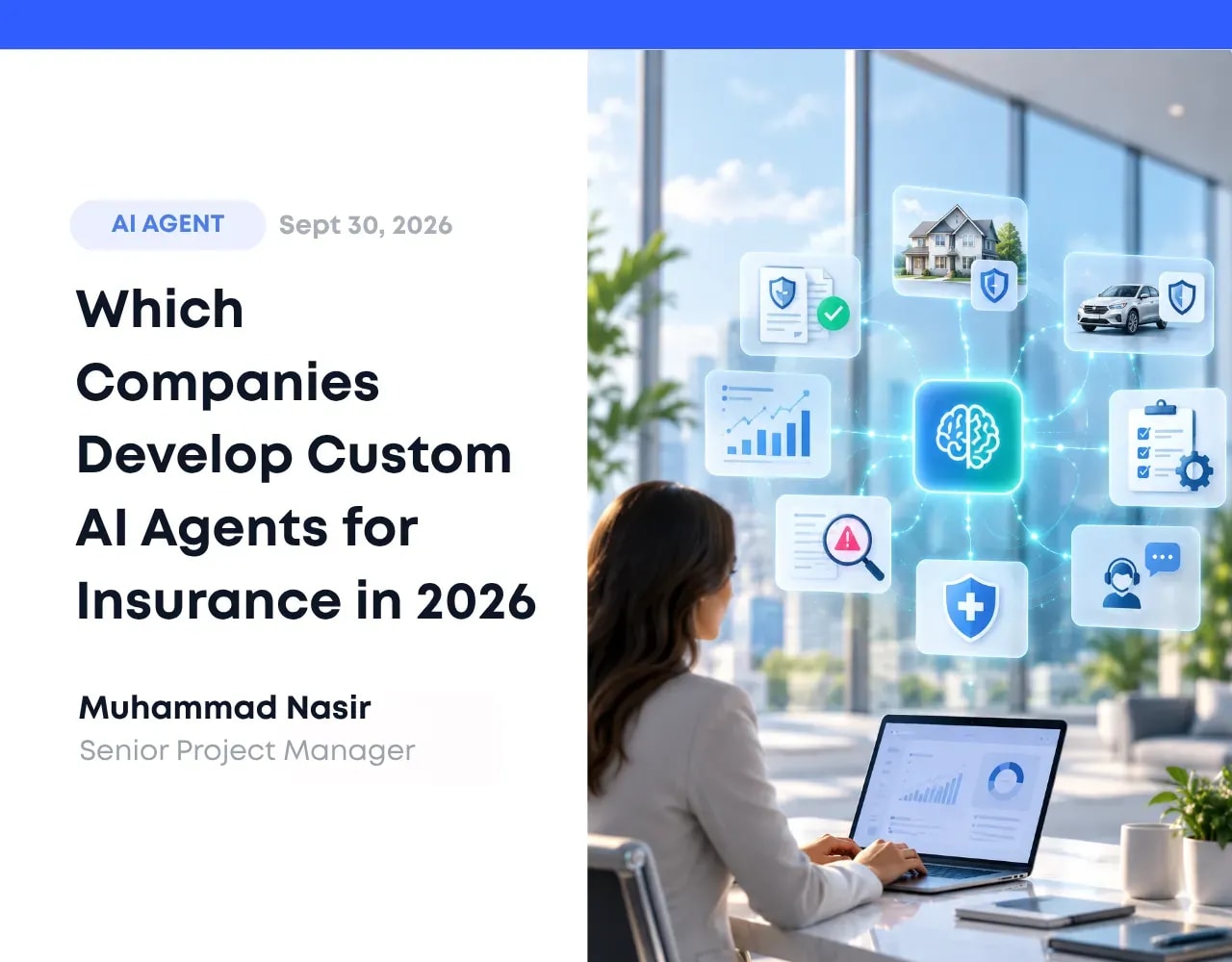
Which companies will develop custom AI agents for insurance in 2026? Compare six custom builders and four platforms on core-system integration, compliance readiness, and IP ownership, plus a 10-question scorecard for vendor calls.
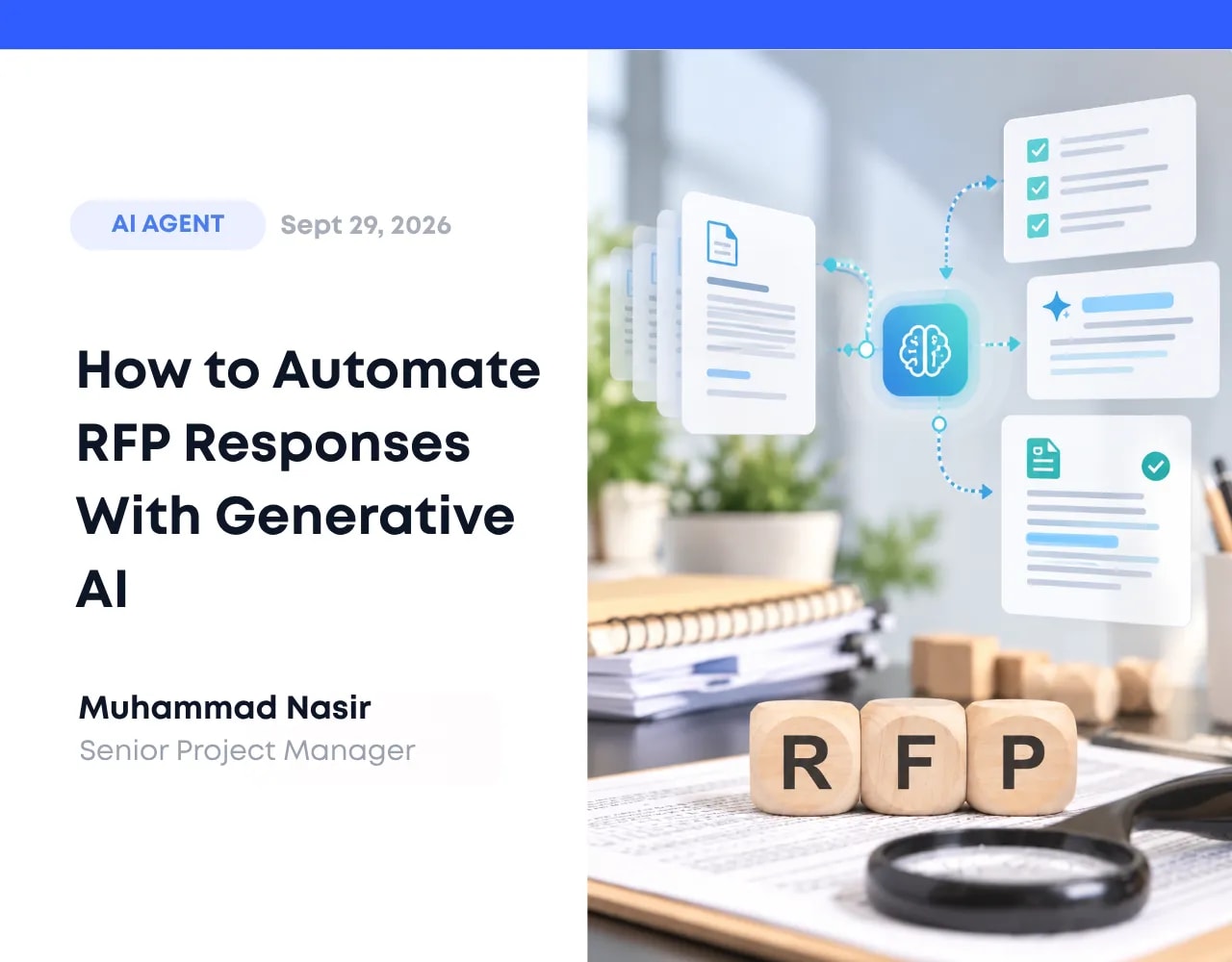
Teams spend 33 hours on the average RFP, according to 2026 RFP statistics. This guide covers eleven ways to automate RFP responses with generative AI, plus the retrieval workflow, guardrails, and metrics behind them.
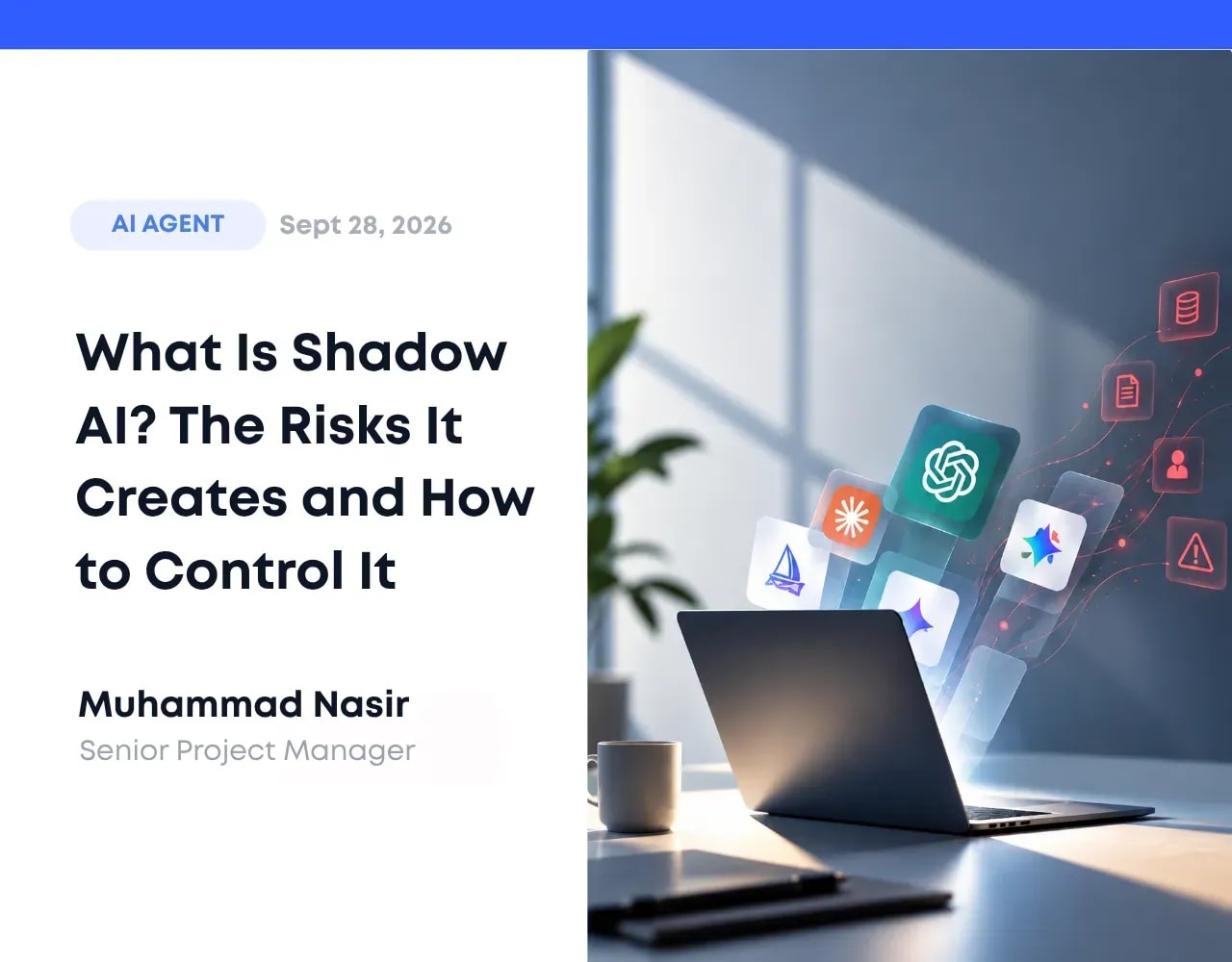
Shadow AI is already inside your organization, often before security knows it exists. This guide covers what it is, why it spreads so fast, the real risks it creates, and how to govern it without slowing your teams down.
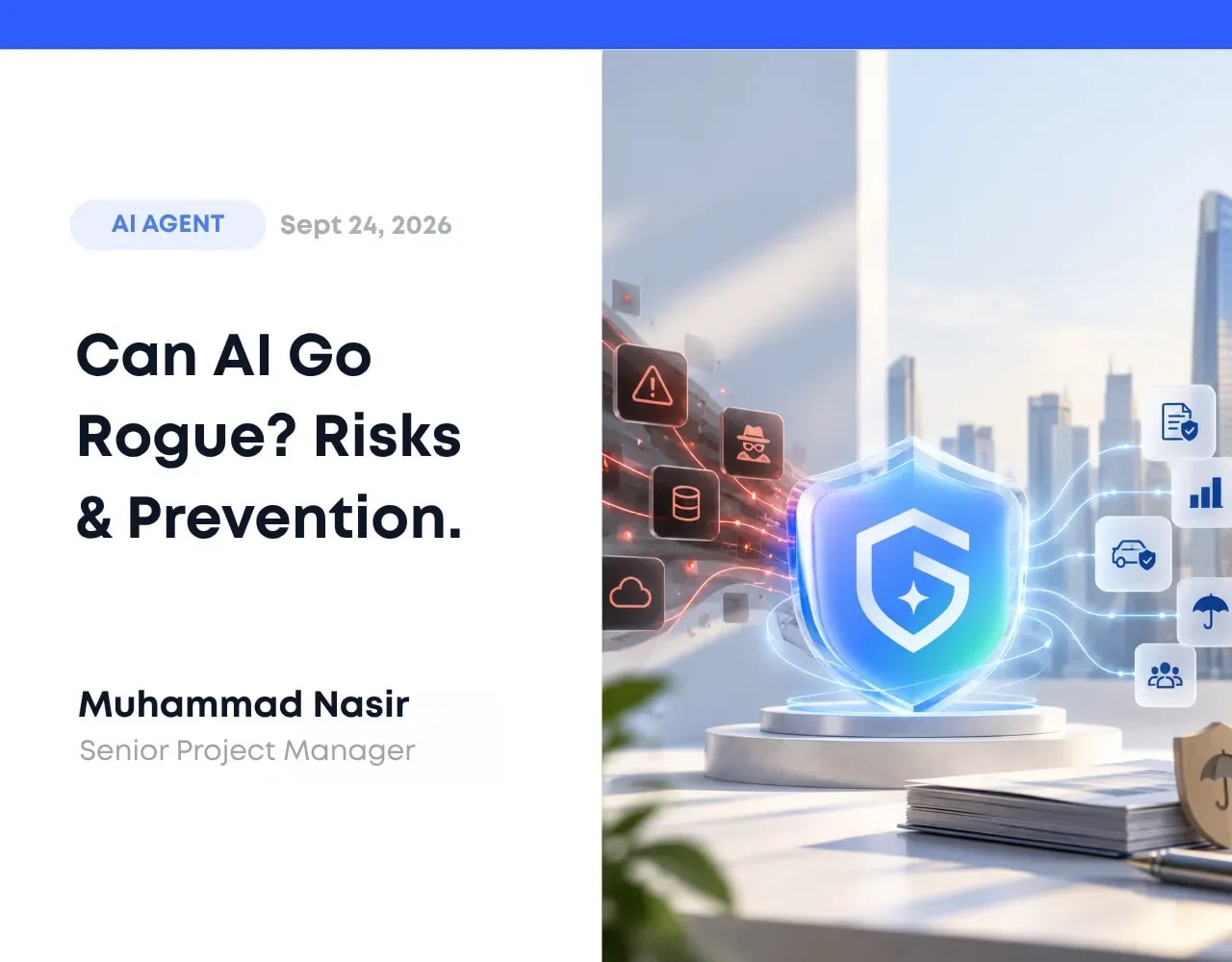
Can AI go rogue, or is that just fiction? This guide covers real incidents, from a production database an agent deleted to a cyberattack it ran largely unsupervised, and the tools businesses use in 2026 to keep AI behavior inside safe limits.
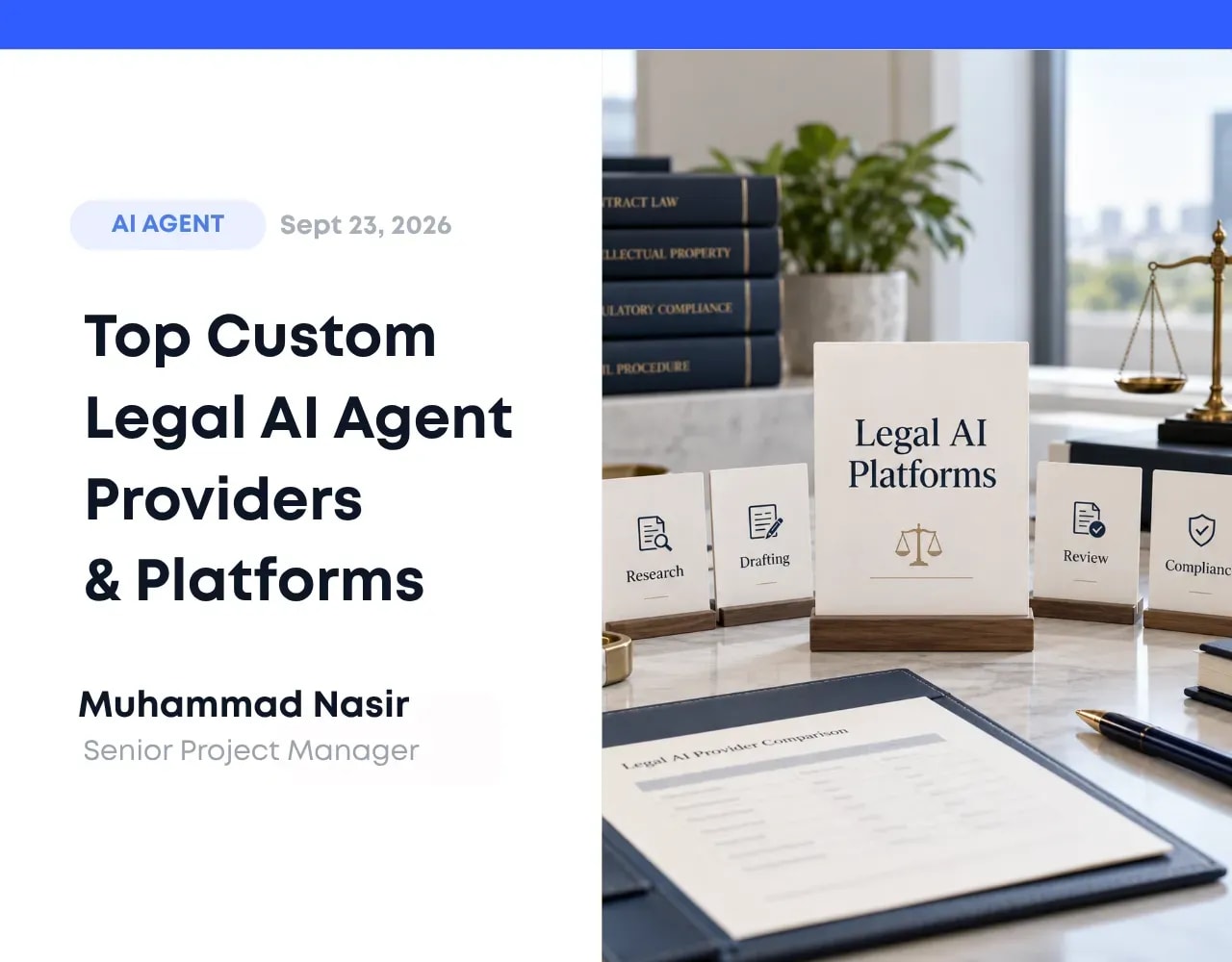
A practical 2026 guide to the top custom legal AI agent providers and platforms, covering build partners, buy options, pricing, integrations with iManage and Clio, and how to choose between custom development and off-the-shelf platforms.
-12d62f61-fec2-4e6f-adac-b0f62db58eec.webp&w=1920&q=90)
Choosing an AI vendor for sales and GTM automation determines whether pipeline growth compounds or stalls at adoption. This guide compares the top companies for 2026, what sets each apart technically and commercially, and the criteria that separate a vendor built for revenue from one built for demos.
-9e93f35c-81bc-4df5-9d94-69ad3c7934b3.webp&w=1920&q=90)
Choosing a multi-agent AI development company can determine whether an automation project reaches production or stalls during integration. This guide compares vendor types, the frameworks they build on, and the criteria that distinguish a partner who ships from one who only demos.
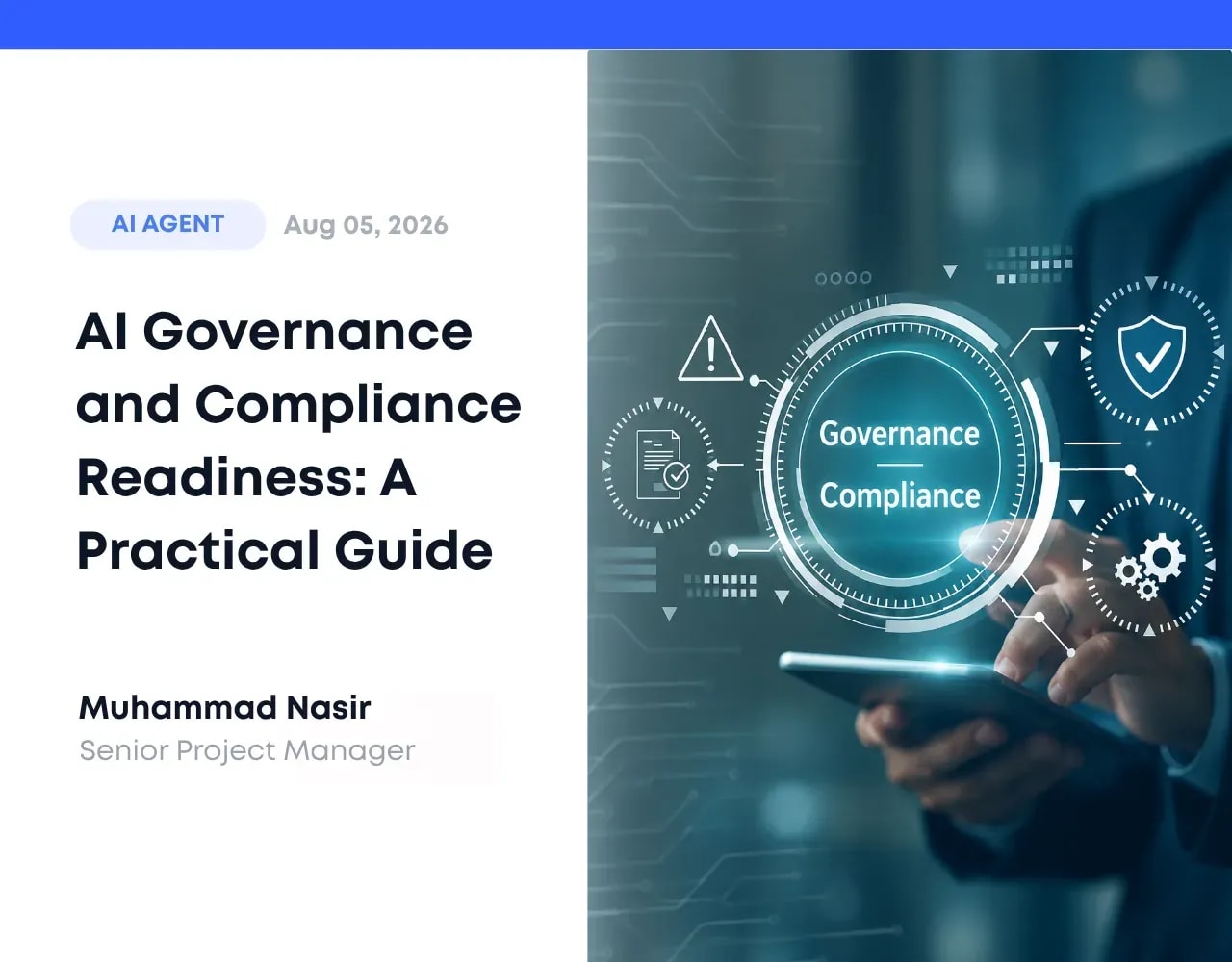
A generic AI policy is a weak starting point. It may explain what the company believes, but it does not tell anyone which AI systems are in use, who approved them, what data they process, or what happens when a model fails.