Key takeaways
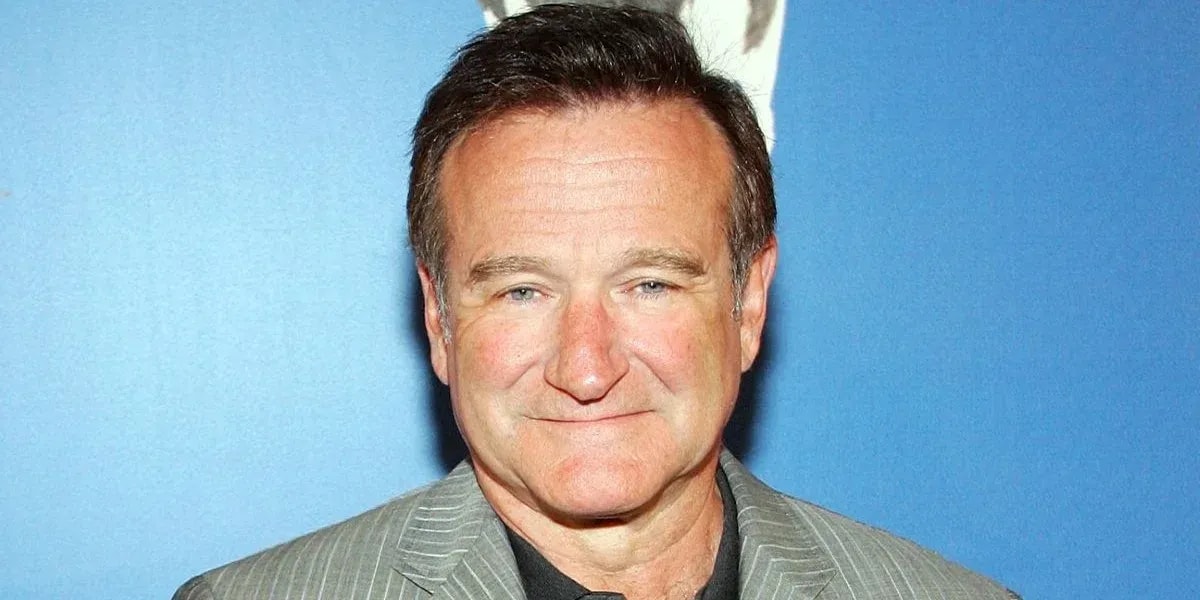
The daughter of beloved comedian and actor Robin Williams has issued a passionate plea for people to stop creating and sharing artificial intelligence-generated videos of her late father, calling the practice disrespectful to his legacy and deeply disturbing to his family.
Zelda Williams, 36, a director and actress known for helming the romantic comedy "Lisa Frankenstein," posted a series of strongly worded messages on her Instagram Stories on Monday, October 6, asking fans and social media users to cease sending her AI recreations of Robin Williams, who died by suicide in 2014 at age 63.
"Please, just stop sending me AI videos of Dad," Williams wrote. "Stop believing I wanna see it or that I'll understand, I don't and I won't. If you're just trying to troll me, I've seen way worse. I'll restrict and move on.
But please, if you've got any decency, just stop doing this to him and to me, to everyone, even, full stop. It's dumb, it's a waste of time and energy, and believe me, it's NOT what he'd want."
Growing trend of AI celebrity recreations
The posts come amid a surge of AI-generated videos featuring deceased celebrities circulating on platforms like TikTok and other social media sites.
Videos purporting to show Robin Williams, Michael Jackson, and other late entertainers have gone viral in recent weeks, created using artificial intelligence tools that can mimic voices and likenesses.
Williams expressed particular frustration with how these technologies reduce complex human legacies to shallow imitations.
"To watch the legacies of real people be condensed down to 'this vaguely looks and sounds like them so that's enough', just so other people can churn out horrible TikTok slop puppeteering them is maddening," she continued in her Instagram posts.
She added: "You're not making art, you're making disgusting, over-processed hotdogs out of the lives of human beings, out of the history of art and music, and then shoving them down someone else's throat hoping they'll give you a little thumbs up and like it. Gross."
Rejection of AI as "the future"
In a separate post, Williams also challenged the framing of artificial intelligence as inevitable progress. "And for the love of EVERYTHING, stop calling it 'the future,'" she wrote.
"AI is just badly recycling and regurgitating the past to be re-consumed. You are taking in the Human Centipede of content, and from the very very end of the line, all while the folks at the front laugh and laugh, consume and consume."
Long-standing opposition to AI recreations
This is not the first time Zelda Williams has spoken publicly against AI recreations of her father. During the 2023 SAG-AFTRA strike, when AI recreations became a mandatory subject of bargaining for the actors' union, Williams voiced her concerns on Instagram about the technology's implications.
"I am not an impartial voice in SAG's fight against AI," she wrote at the time. "I've witnessed for YEARS how many people want to train these models to create/recreate actors who cannot consent, like Dad. This isn't theoretical, it is very very real."
She continued: "I've already heard AI used to get his 'voice' to say whatever people want and while I find it personally disturbing, the ramifications go far beyond my own feelings.
Living actors deserve a chance to create characters with their choices, to voice cartoons, to put their HUMAN effort and time into the pursuit of performance."
Williams has also previously asked people to stop sending her other Robin Williams-related content.
In 2021, she requested that people stop sharing a viral short film by impressionist Jamie Costa, who portrayed Robin Williams in a scene depicting the actor learning of his friend John Belushi's death.
Despite the video's widespread acclaim and millions of views, Williams noted on Twitter at the time: "Jamie is SUPER talented, this isn't against him, but y'all spamming me an impression of my late Dad on one of his saddest days is weird."
Robin Williams, who starred in iconic films including "Good Morning, Vietnam," "Dead Poets Society," "Mrs. Doubtfire," "The Birdcage," "Patch Adams," and "Night at the Museum," died in 2014 following a battle with Lewy body dementia.
His death sent shockwaves through Hollywood and beyond, with millions mourning the loss of one of entertainment's most beloved figures.
As AI technology continues to advance and become more accessible to the general public, concerns about consent, intellectual property rights, and the ethical use of deceased individuals' likenesses remain at the forefront of debates in the entertainment industry.
Read more: