Key Takeaways:
Tesla launches ambitious vision for AI-driven future
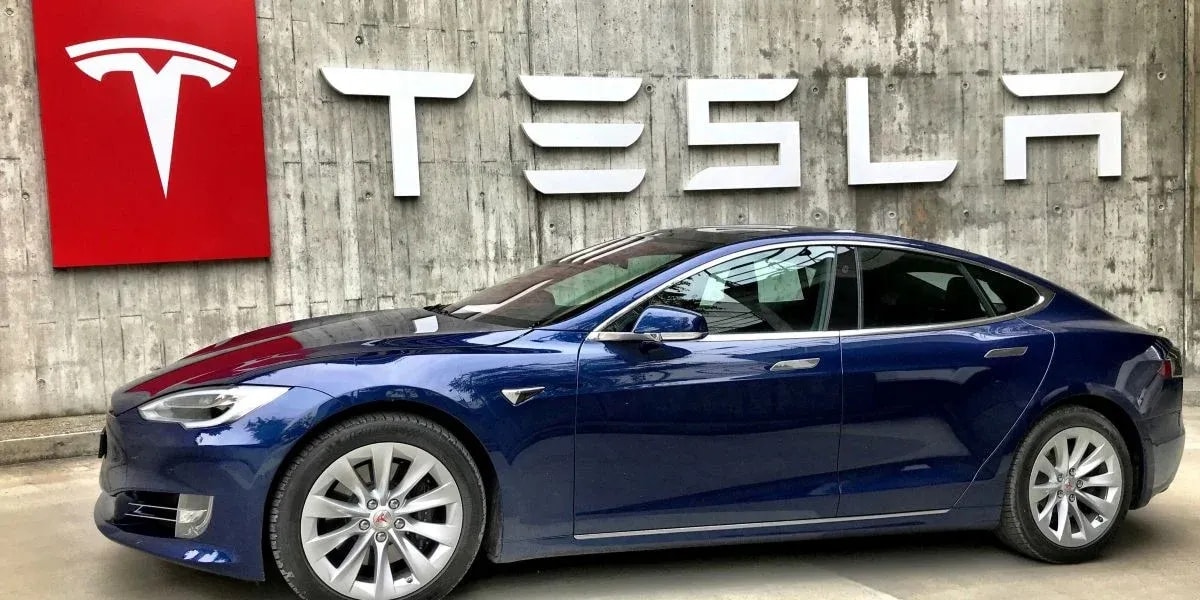
Tesla officially published its long-awaited Master Plan Part 4 on Sunday, marking the fourth iteration of CEO Elon Musk's strategic roadmap for the electric vehicle and energy company. The new plan shifts focus dramatically from previous versions, emphasizing artificial intelligence integration and the pursuit of what Tesla calls "sustainable abundance."
"Humans are toolmakers. At Tesla, we make physical products at scale and at a low cost with the goal of making life better for everyone," the company wrote in the plan's introduction.
The document describes how Tesla's innovations across electric vehicles, clean energy, and robotics are laying the foundation for a "technological renaissance" that can eliminate scarcity.
The plan represents a significant departure from Tesla's earlier master plans, which focused primarily on electric vehicle production and sustainable energy. Instead, Part 4 positions Tesla as an AI and robotics company, with "sustainable abundance" through AI and robotics as its central theme.
AI integration and robotics take center stage
The new master plan outlines several guiding principles, including what Tesla describes as infinite growth without trade-offs, constraint-busting innovation, and ensuring that autonomy benefits all humanity. Tesla highlights its advancements—from solar and battery systems to Optimus humanoid robots and autonomous vehicles—as a foundation for this next chapter.
Central to the vision is Tesla's Optimus humanoid robot, which the company positions as a solution to labor challenges.
"Optimus—our autonomous humanoid robot—is changing not only the perception of labor itself but its availability and capability. Jobs and tasks that are particularly monotonous or dangerous can now be accomplished by other means," Tesla stated in the plan.
The document emphasizes Tesla's ambition to "build the products and services that bring AI into the physical world" and create "a world we've only just begun to imagine."
Industry skepticism and implementation challenges
The release has drawn significant criticism from industry observers who question Tesla's ability to deliver on its ambitious promises. Tesla's Optimus robot demonstrations have been supported by humans remotely controlling them, with recent reports indicating the robot at Tesla's Los Angeles diner has been offline for a month since the restaurant's launch.
The timing of Master Plan Part 4's release comes as Tesla faces declining sales in key markets. Tesla's electric vehicle sales have been in decline since 2023, when they peaked, raising questions about the company's shift toward AI and robotics rather than addressing core automotive business challenges.
Adding to the skepticism is the fact that previous master plans remain incomplete. Musk recently admitted that Master Plan Part 2, released in 2016, is not even completed yet, though he believes that will happen "next year."
Part Deux laid out Tesla's ambition to create solar roofs with integrated battery storage, expand its EV lineup across major segments, develop self-driving capabilities "10 times safer than that of humans," and enable cars to generate income for owners when idle.
Market context and future outlook
The release comes at a challenging time for Tesla, with the company experiencing sales declines in multiple regions. Recent data shows Tesla's market position under pressure from Chinese competitors, particularly in Europe, where the company has seen consecutive months of declining registrations.
Despite these challenges, Tesla frames the new plan as addressing fundamental questions about resource scarcity and economic growth. "The elimination of scarcity will require tireless and exquisite execution. Some will perceive it as impossible," the company acknowledged in the document.
The plan concludes with Tesla's characteristic optimism about technological progress: "What matters most is that, together, we create a sustainable and truly abundant future for generations to come."
Tesla's stock performance and investor response to the new master plan will likely serve as key indicators of market confidence in the company's AI-focused strategy moving forward.
Read more