
AI Discovery
Find where AI is worth investing before you build anything. Real operational evidence ranks use cases by impact and ROI, then hands off straight into implementation.
Learn about AI Discovery →Build, sell, and scale with AI, with peace of mind. Folio3 guides you from the right first use case to governed scale, one connected step at a time.






-1-a72bfd03-1267-49f6-a3b2-b4f7e3e5dc42.webp&w=1920&q=90)










Most companies are experimenting with AI, and very few have someone to navigate the ambiguity with them. Folio3 maps where you are today and guides you to the next level, safely.
Experimenting with AI, with no clear direction yet
Running pilots and learning what works
AI in production, creating measurable value
AI across digital processes and the value chain
AI is part of the business DNA
Folio3 is the guide that takes you from your current level to Zen Master, safely and one level at a time.
Find Your Level: Take the AI Readiness AssessmentZEN is a connected path from finding the right AI use case, to unlocking your own data, to governing AI at scale. No liability, no chaos, delivered end to end.
Find where AI is worth investing before you build anything. Real operational evidence ranks use cases by impact and ROI, then hands off straight into implementation.
Learn about AI Discovery →Ask your own business data questions in plain language. A custom AI agent answers from live data, not a snapshot, and can be deployed in as little as 4 weeks.
Explore Talk to Your Data →Control risk. Control cost. Go live fast. Govern every model, agent, and user on one control plane, with policy, spend, and audit records in your hands.
See AI Guardian →Phase 0 and Talk to Your Data both plug directly into AI Guardian, so governance never needs separate policy work.
Explore the ZEN FrameworkEvery stage of the journey has a different job. Folio3 stays with you through all three, so each step builds on the last instead of starting over.
Strategy decks without delivery leave you with a plan and no progress. Disconnected tools leave you with silos. Folio3 pairs vision with action, so the journey keeps moving.
From strategy to production, each capability connects to the next, so work done in one stage carries into the stages after it.
Identify AI opportunities and build implementation roadmaps that deliver measurable results.
Create customer experiences faster and reshape workflows with generative AI built on your own data.
Image recognition and object detection systems for quality control, surveillance, and sports analysis.
Fine-tune and deploy large language models for document processing and intelligent search.
Machine learning models that forecast demand, flag business risks, and detect anomalies in real time.
Text analysis and conversational systems that automate communication workflows.
Policy, spend, and audit control across every model, agent, and user, powered by AI Guardian.
Add experienced AI engineers on demand, so your team scales without a long hiring cycle.
Custom agents for the workflows where your industry spends the most time.
From strategy to deployment, Folio3 builds custom AI solutions around measurable results and long-term advantage.
 AidenHow Folio3 helped Aiden build and scale their product.
 AnyRoadHow Folio3 helped AnyRoad build and scale their product.
 Barnes and NoblesHow Folio3 helped Barnes and Nobles build and scale their product.
 Brighton ParkHow Folio3 helped Brighton Park build and scale their product.
Learn how Folio3 helped its clients every step of the way

Nate Bemiller
Head of Sales and Marketing
I would like to give a special shout-out to the team. You are doing a great job as a team. I’m very proud of you guys. You all are making my ideas come to life. All your efforts are highly appreciated. I’m so glad that I work with you guys. The best is yet to come. Way to go.

Robin Mehdee
Manager Web Development Team
Folio3 successfully tackled and resolved all of the partner’s challenges. They provide the appropriate level of projet managment, and proactivness is a halmark of their work

Omar Al-Midani
Co-Founder & President











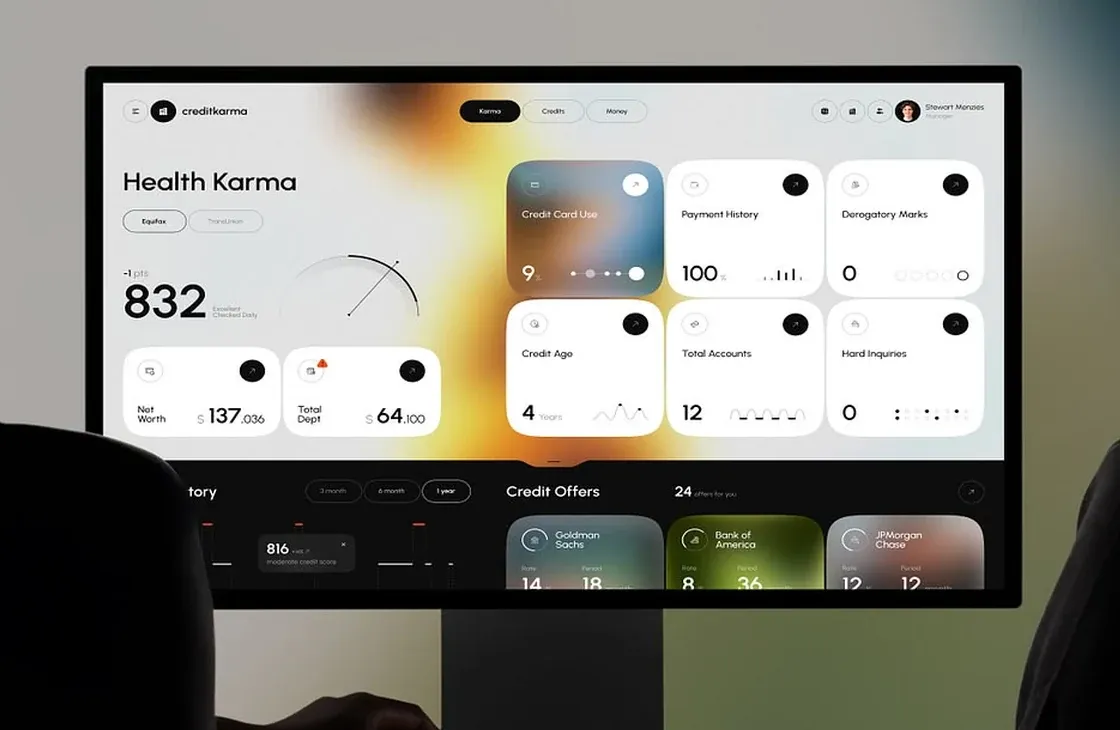
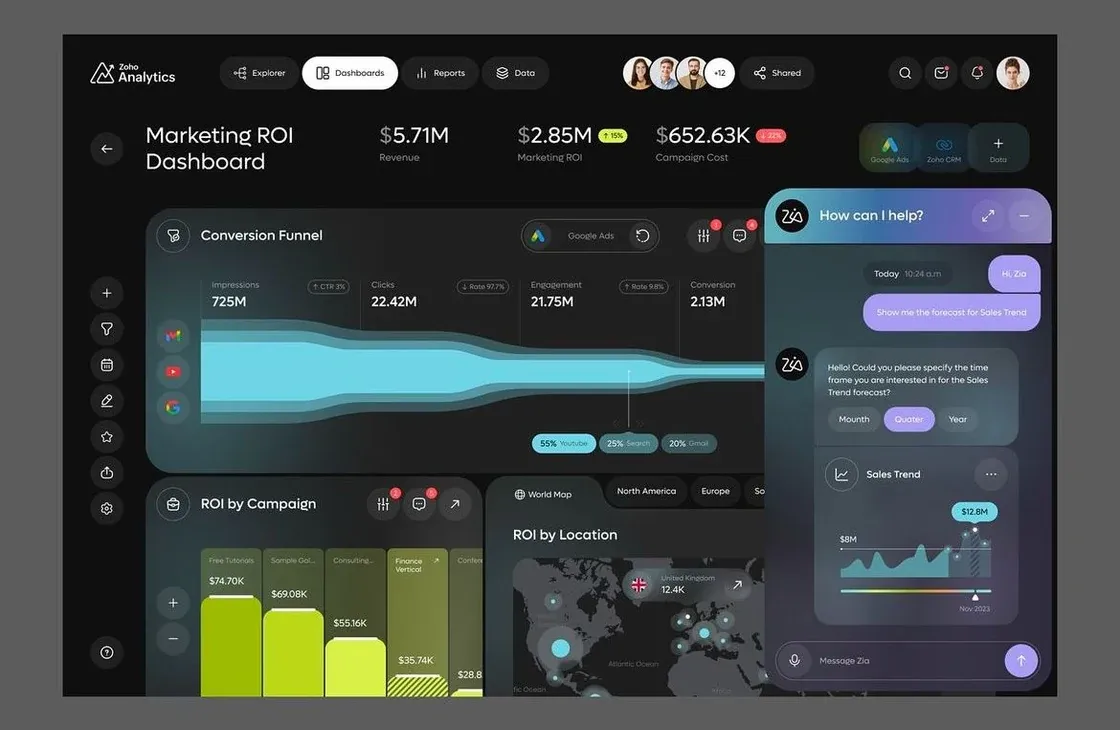







Watch real workflows turn into working AI-enabled tools in a single session.
Learn how medical professionals automate front-desk operations and patient scheduling without developers, using Replit with Abdul Moiz.
Watch on demand →This webinar demonstrates how to create a real-time AI-powered inventory management app for AgTech farmers in under 60 minutes.
Watch on demand →Using Vibe Coding on the Lovable platform, we walk step by step through converting a real HR workflow into a working application.
Watch on demand →The AI Readiness Assessment shows your current level, your biggest gaps, and your next step. Then a Folio3 guide walks the path with you.