Introduction
"Artificial Intelligence is the new electricity." – Andrew Ng (Computer scientist and Coursera Co-founder)
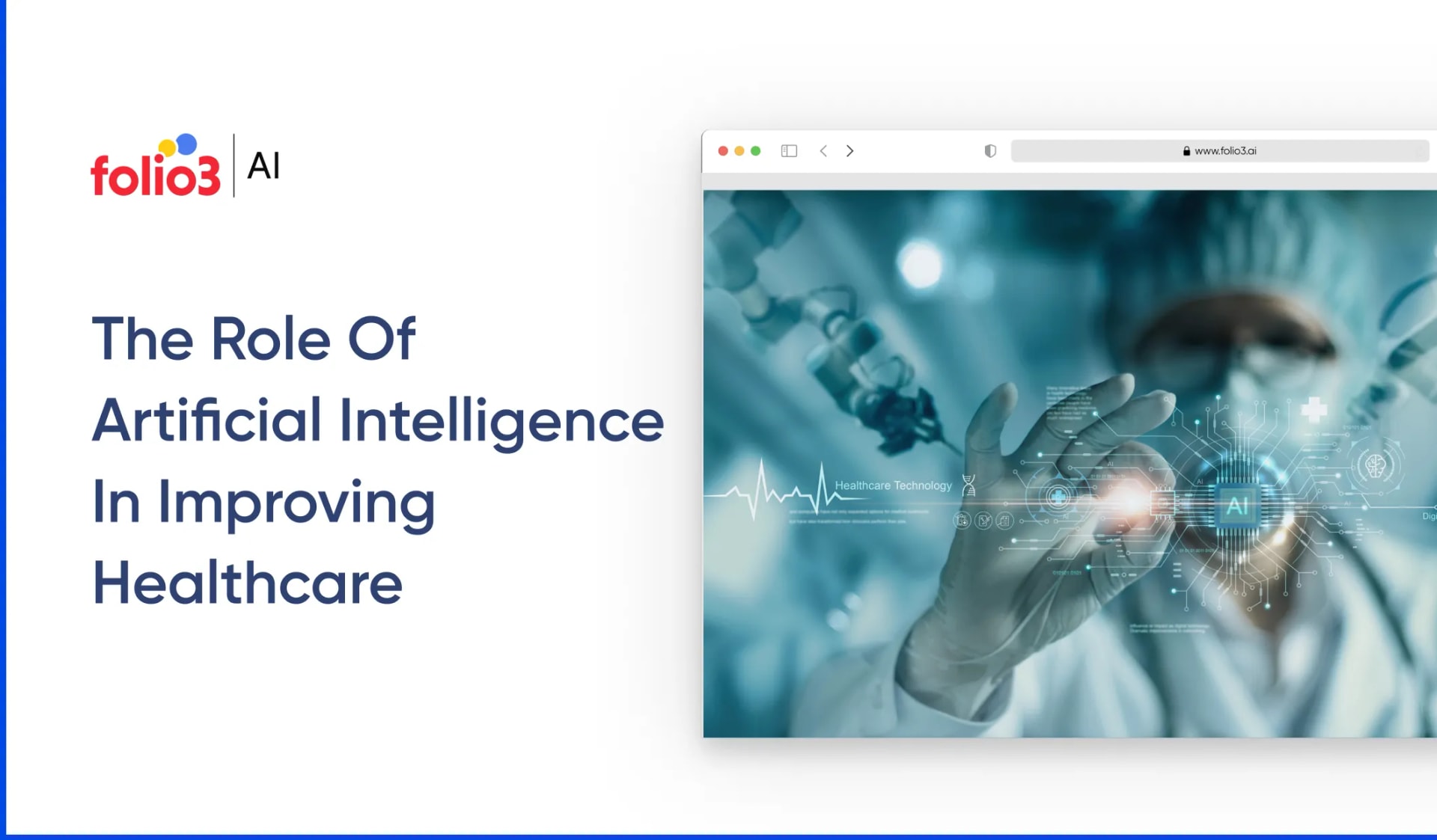
In the unexpectedly evolving healthcare landscape, mixing artificial intelligence (AI) is reworking medical documentation, making it more green and accurate. As healthcare companies face increasing demands on their time, AI emerges as a powerful ally, streamlining techniques that have historically pressured clinicians. This weblog explores how AI improves healthcare documentation, addressing the demanding situations of scientific documentation and imparting innovative answers that enhance patient care.
The Problem With Clinical Documentation:
Clinical documentation is critical for effective patient care, but it consumes about 55% of physicians' time. This overwhelming demand often detracts from the central mission of healthcare: offering pleasant patient interplay and care. The traditional strategies of documentation aren't only time-consuming but also at risk of mistakes, main to potential dangers in affected person protection and compliance problems. As the volume of statistics grows, so does the complexity of retaining accurate facts. This situation requires a transformative technique to scientific documentation—one that could alleviate those pressures even by enhancing accuracy and performance.
What Types of Artificial Intelligence Can Improve Healthcare Documentation
Voice Recognition
Voice recognition generation permits healthcare providers to dictate notes immediately into digital health data (EHRs). By converting spoken phrases into textual content, this generation minimizes the time spent on manual data entry, enabling clinicians to cognizance extra of their sufferers.
Natural Language Processing
Natural language processing (NLP) enhances the capability of AI systems to understand and interpret human language. In healthcare, NLP can examine unstructured information from clinical notes, extracting meaningful statistics that support better decision-making and improve documentation accuracy.
Machine Learning
Machine learning algorithms can examine tremendous quantities of medical facts to perceive styles and tendencies. By gaining knowledge from preceding interactions, these systems can automate ordinary duties and provide predictive insights that beautify affected person care.
AI in Clinical Documentation: 5 Solutions
Automate clinical note generationAI-powered tools can automatically generate medical notes based totally on real-time conversations among vendors and sufferers. This automation not only effectively saves time but also ensures that vital data is captured accurately.
Enable ambient clinical intelligence.Ambient medical intelligence (ACI) structures unobtrusively seize essential scientific information throughout affected person visits. By integrating these records into EHRs seamlessly, ACI allows clinicians to preserve recognition of patient interactions without the distraction of manual note-taking.
Ensure medical coding compliance.AI solutions can assist in ensuring compliance with clinical coding requirements by reading documentation for accuracy. This reduces the chance of coding mistakes which could cause economic consequences or compliance issues.
Improve patient risk assessment.By leveraging devices and gaining knowledge of models, healthcare providers can beautify affected person risk assessments. These models analyze historical information to perceive patients at risk for certain conditions, allowing for proactive care management.
Provide actionable clinical insights.AI systems can synthesize huge quantities of scientific facts to deliver actionable insights that inform treatment decisions. By highlighting essential traits and anomalies in patient information, these systems empower clinicians to make informed selections speedy.
Privacy Concerns of Implementing AI In Healthcare Documentation
While AI offers several advantages for improving scientific documentation, it also raises extensive privacy concerns. The handling of touchy patient information necessitates strict adherence to regulations including HIPAA within the U.S. Ensuring that AI structures are compliant with privacy legal guidelines is paramount to safeguarding affected person trust and maintaining confidentiality. Furthermore, transparency in how AI algorithms perform is vital to mitigate fears approximately bias or misuse of statistics.
Five Ways to Improve Clinical Documentation with AI
Adopt Explainable AIImplementing explainable AI guarantees that clinicians recognize how decisions are made with the aid of AI systems. This transparency builds acceptance as true and encourages adoption amongst healthcare experts.
Enable Information AccessibilityAI answers ought to prioritize accessibility, allowing healthcare companies smooth get admission to to applicable information when wished. Streamlined interfaces and intuitive designs decorate usability.
Support Clinical ValidationAI gear should help clinical validation techniques using imparting remarks mechanisms that allow clinicians to confirm the accuracy of generated notes and insights.
Intuitive IntegrationFor AI solutions to be powerful, they have to integrate seamlessly with current EHR structures. This integration minimizes disruption and enhances workflow continuity.
Allow Rooms for CustomizationCustomizable AI answers permit healthcare providers to tailor functionalities to their particular needs and preferences, improving their enjoyment of the technology.
How Can Folio3 Help?
Folio3 makes a specialty of developing tailor-made AI answers designed especially for healthcare carriers. By leveraging advanced technologies consisting of voice recognition and machine learning, Folio3 allows for streamlining clinical documentation strategies while ensuring compliance with guidelines. Our know-how lets us create customizable solutions that integrate seamlessly with present structures, empowering healthcare experts to be conscious of what subjects most: handing over great affected person care.
Final Thoughts
The integration of artificial intelligence into healthcare documentation represents a pivotal shift toward more green and accurate practices. By automating habitual tasks and offering actionable insights, AI not handiest alleviates administrative burdens but additionally enhances the first-rate of affected person care. As we continue to discover the potential of AI in healthcare, it will become clear that these innovations aren't pretty much enhancing performance; they are approximately reworking the manner we deliver care in an unexpectedly changing global. Embracing these technologies will be important for healthcare carriers aiming to thrive in an increasingly complex environment whilst prioritizing patient results especially else.

-fba59e49-f902-4c9e-b43a-b6baa75ef444.webp&w=1920&q=90)