










-0934cb99-a9bc-45b8-860e-50c9ef38eba2.png&w=1920&q=65)






-bce0b011-abd2-4c80-8e8c-9342eef314f6.png&w=1920&q=65)


Bring Agentic AI Into Manufacturing Operations
Connect Production Workflows With Intelligent AI Agents
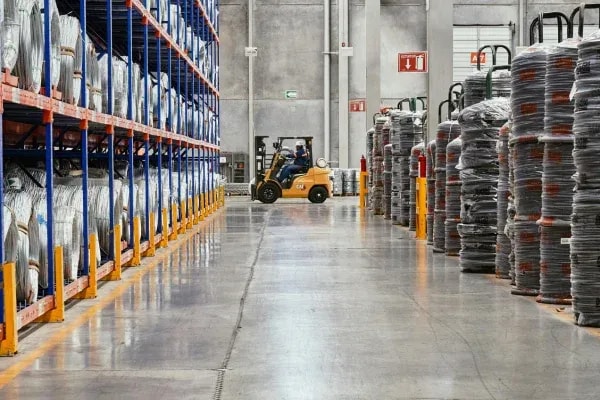
Manufacturing AI agents can support production planning, maintenance coordination, quality checks, inventory visibility, operator assistance, and exception handling. When these workflows need to connect with ERP, MES, maintenance platforms, sensor data, and internal systems, Folio3’s AI Agent Development services provide the integrations, orchestration, governance, and engineering foundation needed to create reliable agentic workflows across manufacturing operations.
Explore AI Agent Development-c95f13d0-450c-47c0-93ca-e168d5b0d013.webp&w=1920&q=90)

