Key Takeaways
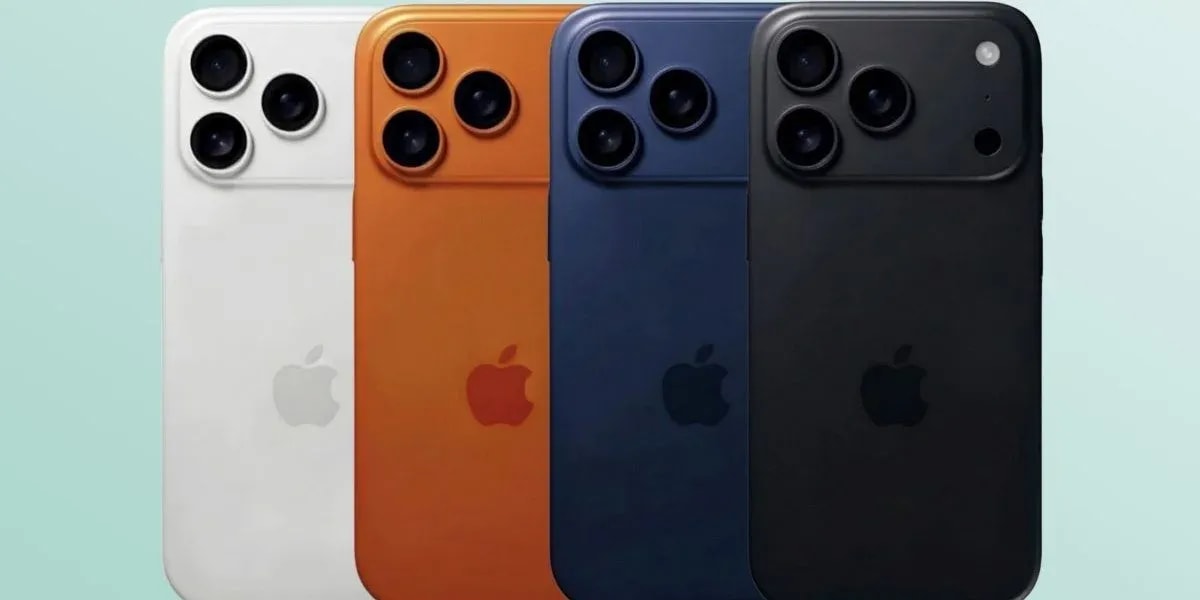
Apple has officially confirmed its September 9 iPhone event at the Steve Jobs Theater, ending months of speculation about the launch timeline. The company's "Awe Dropping" tagline hints at significant design changes, with the most notable being the introduction of the iPhone 17 Air as a replacement for the less popular Plus model.
The iPhone 17 Air represents Apple's most dramatic design shift in recent years, featuring an ultra-thin profile measuring under 6 millimeters in thickness. This aggressive pursuit of thinness comes with notable trade-offs, including a single rear camera system and reduced battery capacity compared to other models in the lineup. The device weighs approximately 145 grams, making it significantly lighter than current flagship iPhones.
Apple's decision to discontinue the Plus model reflects market reception data showing lower adoption rates compared to the standard and Pro variants. The Air model targets users who prioritize design aesthetics and portability over maximum camera capabilities, positioning it as a premium alternative between the standard iPhone 17 and Pro models.
Technical Specifications Overview
The entire iPhone 17 lineup benefits from display improvements, including enhanced brightness levels and improved longevity compared to the iPhone 16 series. Apple has reportedly achieved approximately 30 percent better brightness output while extending panel lifespan, addressing previous concerns about OLED degradation over time.
All models in the iPhone 17 series will feature 120Hz ProMotion displays, marking the first time Apple has extended this premium feature to its standard iPhone model. This represents a significant value addition for users who previously had to opt for Pro models to access higher refresh rate displays.
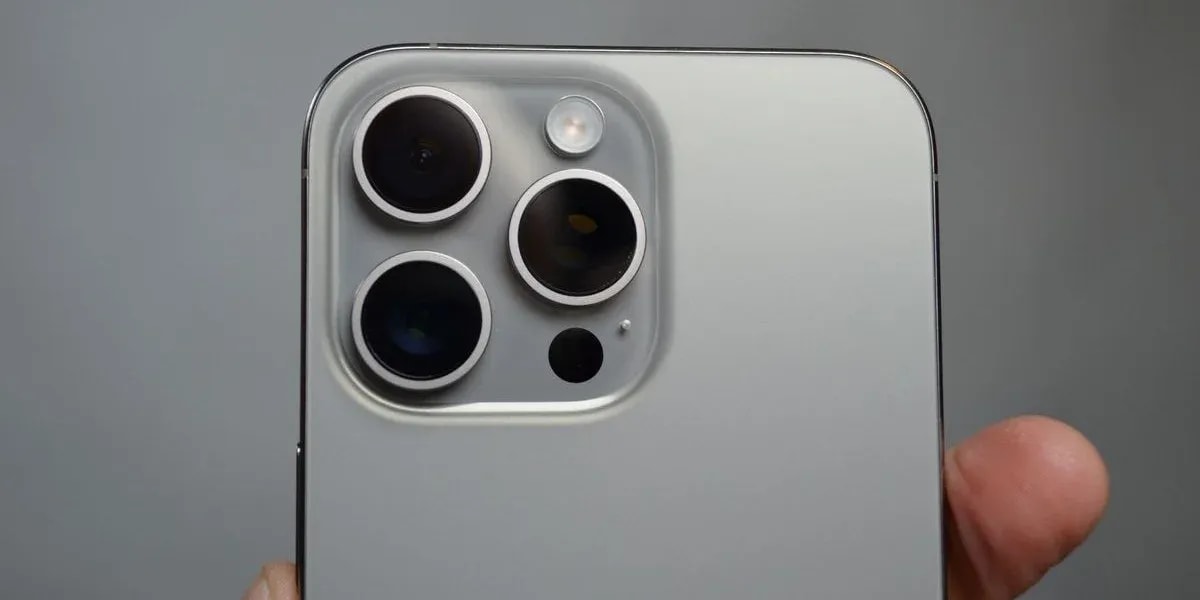
The camera systems across the lineup receive meaningful upgrades, with the standard iPhone 17 maintaining a dual-camera setup featuring a 48-megapixel main sensor paired with a 12-megapixel ultra-wide lens. The Pro and Pro Max models upgrade their ultra-wide cameras to 48-megapixel sensors, providing improved low-light performance and enhanced macro photography capabilities.
Apple's new A19 chip family utilizes TSMC's 3-nanometer manufacturing process, delivering improved performance per watt compared to previous generations. The A19 Pro variant in the Pro and Pro Max models includes additional GPU cores and enhanced machine learning capabilities for professional applications and advanced computational photography features.
Memory configurations see substantial increases across the Pro lineup, with 12GB of RAM becoming standard for Pro, Pro Max, and Air models. This represents a 50 percent increase over current Pro models and enables more sophisticated multitasking capabilities and improved performance with memory-intensive applications.
Battery technology improvements focus on easier repairability and faster wireless charging. All iPhone 17 models support 25W wireless charging, representing a significant increase from the current 15W capabilities. Apple has also redesigned the battery removal process to comply with upcoming European Union regulations requiring user-replaceable batteries in mobile devices.
Pricing and Availability Timeline
The iPhone 17 series implements across-the-board price increases of $50 compared to current models, reflecting increased manufacturing costs and component upgrades:
iPhone 17: $849 (increase from $799)
iPhone 17 Pro: $1,149 (increase from $1,099)
iPhone 17 Pro Max: $1,249 (increase from $1,199)
iPhone 17 Air: $899 (new model positioning)
The price increases stem from several factors, including the transition to more expensive 3-nanometer chip manufacturing, enhanced display technology, and increased memory configurations. The Pro models' elimination of 128GB storage options in favor of 256GB baseline storage also contributes to higher starting prices.
Apple's traditional release schedule remains intact, with pre-orders expected to begin Friday, September 12, followed by general availability on Friday, September 19. The company typically maintains this timeline to ensure adequate inventory levels across global markets and carrier partners.
Market Positioning and Competition
The iPhone 17 Air directly addresses Samsung's Galaxy S25 Edge, which pioneered the ultra-thin flagship smartphone category earlier this year. Apple's entry into this segment validates the market demand for design-focused devices that prioritize form factor over maximum feature density.
Industry analysts view the Air model as Apple's response to changing consumer preferences, particularly among users who primarily rely on smartphone cameras for social media and casual photography rather than professional applications. The single camera system reduces manufacturing complexity while maintaining core photographic capabilities for mainstream users.
The broader iPhone 17 lineup faces intensified competition from Android manufacturers who have increasingly matched Apple's premium features while maintaining lower price points. Samsung's Galaxy S25 series and Google's Pixel 10 lineup both utilize similar 3-nanometer manufacturing processes and offer comparable camera capabilities at more accessible price points.
Event Coverage and Additional Announcements
The September 9 event begins at 10:00 AM Pacific Time and will be livestreamed across Apple's digital platforms, including the company website, YouTube channel, and Apple TV application. International viewers can access the stream at 1:00 PM Eastern, 6:00 PM British Summer Time, and 7:00 PM Central European Time.
Beyond the iPhone 17 series, Apple's September event is expected to showcase a comprehensive hardware refresh across multiple product categories. Based on industry reports and supply chain intelligence, the complete device lineup likely includes:
iPhone 17
iPhone 17 Air
iPhone 17 Pro
iPhone 17 Pro Max
Apple Watch Series 11
Apple Watch Ultra 3
Apple AirPods Pro 3
The Apple Watch Series 11 is anticipated to introduce new health monitoring sensors and improved battery efficiency, while the Apple Watch Ultra 3 will likely target professional and outdoor enthusiasts with enhanced durability features and extended battery life. The AirPods Pro 3 represent Apple's next-generation audio technology with rumored improvements to active noise cancellation and spatial audio processing capabilities.
Apple's decision to maintain its September event timing aligns with the company's established product cycle and provides optimal positioning ahead of the holiday shopping season. The "Awe Dropping" tagline suggests Apple believes the iPhone 17 Air's design achievements will generate significant consumer interest despite the inherent compromises required for extreme thinness.
The event marks a pivotal moment for Apple as the company balances innovation with market realities, introducing premium design elements while managing component costs and supply chain constraints. Consumer reception of the iPhone 17 Air will likely influence Apple's future design philosophy and determine whether ultra-thin smartphones represent a sustainable product category or a niche market experiment.
For more news and solutions, check out Folio3 AI now.