ANPR
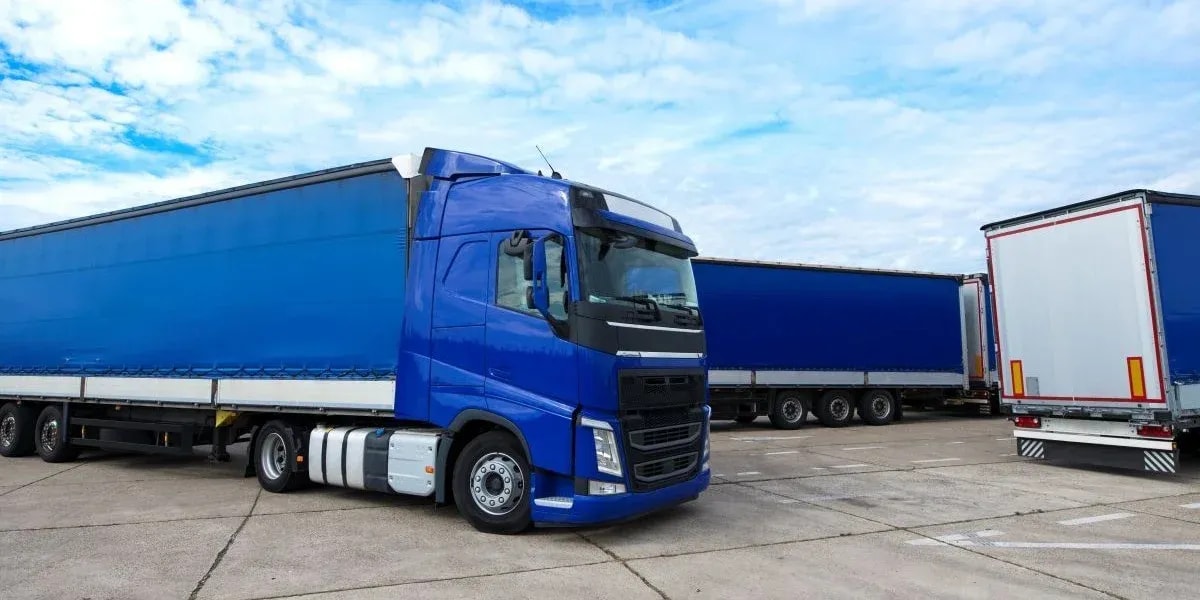
Every morning, fleet managers face stolen trailers, vanished shipments, and mounting insurance claims. The cargo theft epidemic has evolved into a sophisticated criminal enterprise threatening logistics operations nationwide. ALPR for freight hauling has emerged as the critical defense against this crisis. According to Verisk CargoNet, cargo theft incidents reached a record 3,625 in 2024, representing a 27% increase from 2023, with estimated losses up to $35 billion annually across the supply chain. These statistics represent real businesses struggling to survive, drivers losing livelihoods, and supply chains grinding to a halt.
Criminals now create fake carrier identities using artificial intelligence and execute "strategic thefts" that make cargo disappear without a trace. Traditional security cameras record crimes, but criminals are gone before anyone reviews the footage.
Compliance violations add financial burden, DOT fines, and documentation errors drain $150,000 annually from freight operators. ALPR for freight hauling transforms reactive security into proactive protection through high-speed cameras, artificial intelligence, and real-time database verification.

Automated License Plate Recognition (ALPR) systems revolutionize freight hauling security by capturing and analyzing vehicle plates in real-time. This technology enhances logistics tracking, prevents unauthorized access, and streamlines operations across transportation networks efficiently.
ALPR systems detect unauthorized vehicles entering facilities, log all plate numbers with timestamps, and alert security instantly. This creates digital evidence trails, deters criminals, and enables rapid response to suspicious activity at loading docks and yards.
Real-time plate scanning monitors all entry and exit points continuously. The system flags stolen vehicles, blacklisted plates, or unregistered trucks automatically, providing 24/7 surveillance that human guards cannot match while maintaining comprehensive security logs.
Automated plate recognition eliminates manual check-ins, allowing pre-approved carriers instant facility access. The system verifies legitimate haulers automatically, reduces gate congestion, speeds up loading operations, and maintains detailed records of all authorized vehicle movements throughout facilities.
ALPR tracks company vehicles' locations, movements, and delivery schedules automatically. Management gains visibility into fleet utilization, driver routes, and asset deployment. This data optimizes logistics planning, reduces idle time, and improves overall operational efficiency across transportation networks.
Collected plate data reveals traffic patterns, peak operational hours, and carrier performance metrics. Analytics identify bottlenecks, optimize scheduling, predict maintenance needs, and improve resource allocation. These insights drive strategic decisions that enhance productivity and reduce costs significantly.
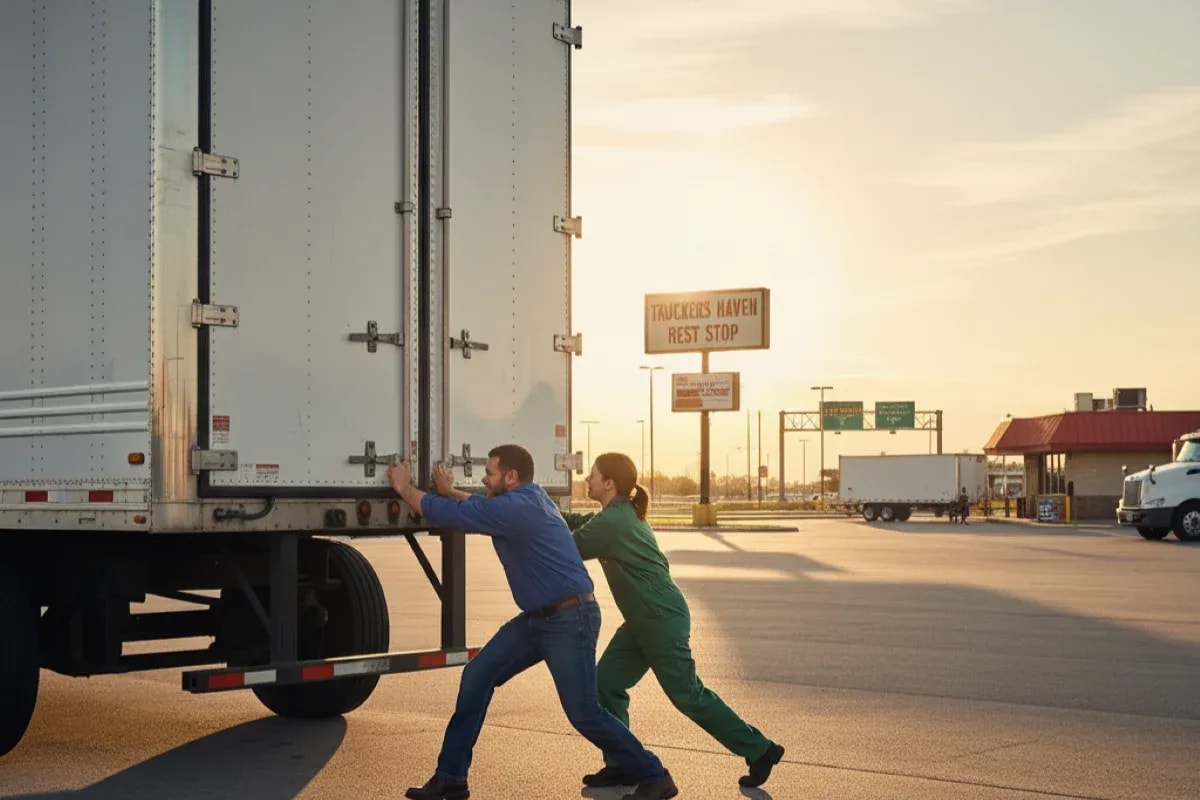
Global supply chains face mounting pressures from sophisticated cargo theft operations and increasingly complex regulatory requirements. These dual challenges strain logistics budgets, disrupt operations, and demand innovative security and compliance strategies from industry stakeholders.
Criminal networks increasingly target high-value shipments using GPS jamming, identity fraud, and strategic hijacking. Pharmaceuticals, electronics, and food products remain prime targets, with losses exceeding billions annually across major trade routes worldwide.
Thieves exploit digital vulnerabilities through fake shipping companies, fraudulent documentation, and cyberattacks on transportation management systems. Sophisticated criminals use social engineering to intercept loads, manipulating booking platforms and communication channels for seamless theft operations.
Shippers navigate overlapping international standards, customs requirements, and security certifications across jurisdictions. Environmental regulations, safety protocols, and documentation mandates multiply administrative burdens, requiring specialized software, training, and dedicated compliance personnel to avoid penalties.
Premium increases reflect rising theft rates and claim frequencies, particularly for unsecured routes. Companies invest heavily in GPS tracking, secure parking facilities, driver vetting, and real-time monitoring systems, adding substantial operational expenses to maintain coverage.
Theft and compliance burdens create delays through enhanced security screening, route modifications, and documentation verification. Companies face inventory disruptions, customer dissatisfaction, and margin erosion while balancing security investments against maintaining competitive delivery speeds and pricing.
Implementing ALPR for freight hauling delivers measurable improvements across security, compliance, operational efficiency, and business intelligence. These benefits compound over time as systems learn patterns and optimize performance through continuous operation.
ALPR creates secure perimeters by identifying unauthorized vehicles immediately upon entry. The system tracks every truck movement, prevents cargo hijacking, detects suspicious patterns, and maintains irrefutable digital evidence. Instant alerts enable security teams to intercept threats before theft occurs.
Hands-free entry and exit processing eliminates bottlenecks at checkpoints. Pre-registered vehicles pass through automatically while the system logs details instantly. This reduces wait times, minimizes labor costs, prevents human error, and maintains smooth traffic flow during peak operational hours.
Every truck entering or leaving facilities is recorded with precise timestamps and location data. Historical records enable route verification, driver accountability, and incident investigation. Management can trace any vehicle's movements, ensuring complete visibility across all freight operations.
ALPR systems automatically generate required records for audits, insurance claims, and regulatory reporting. The technology captures proof of delivery times, vehicle credentials, and facility access logs. This eliminates manual paperwork, ensures accuracy, and simplifies compliance with transportation regulations.
Reduced security personnel needs, fewer theft losses, and faster processing times significantly lower operational expenses. Insurance premiums decrease with enhanced security measures. Improved efficiency and asset protection deliver measurable returns, typically recovering system investment within 18-24 months of implementation.
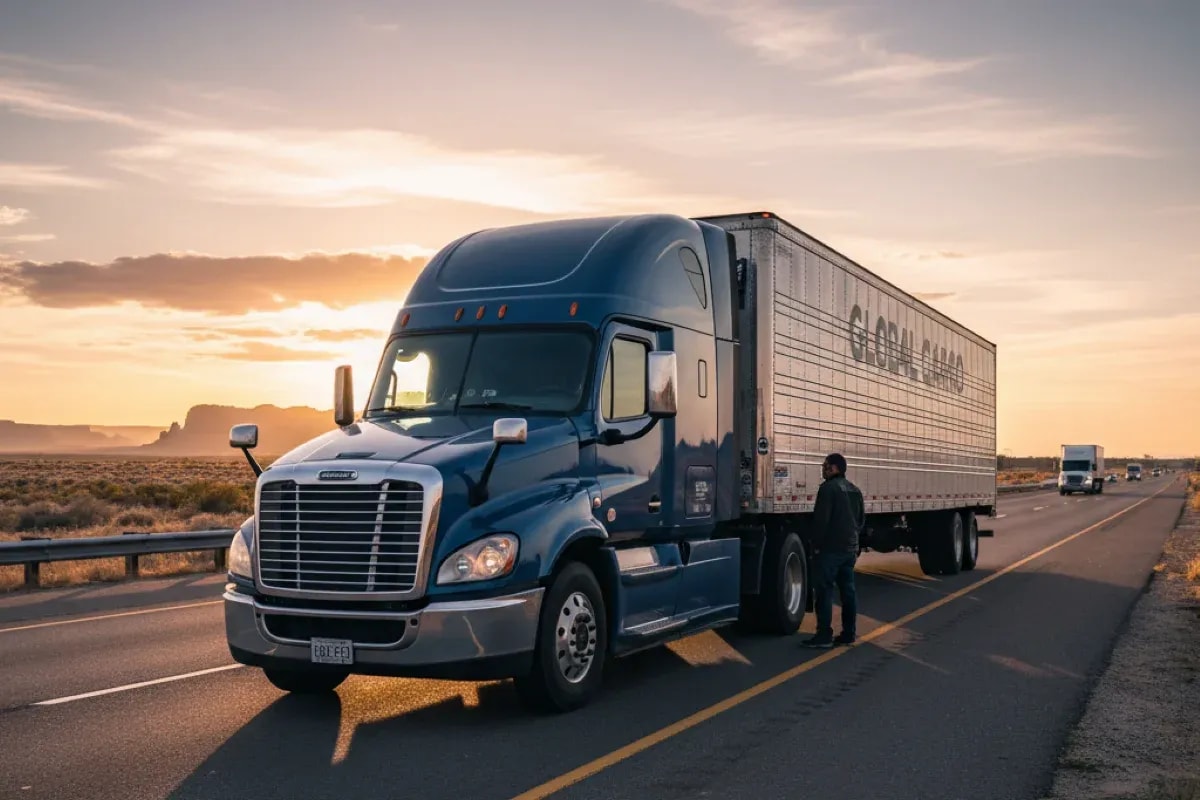
Freight operations deploy ALPR systems across diverse scenarios to address specific logistical challenges. From warehouse perimeters to cross-border checkpoints, these applications demonstrate how automated plate recognition solves real-world transportation problems and enhances security protocols effectively.
ALPR controls entry to high-volume distribution hubs by verifying scheduled deliveries automatically. The system distinguishes between authorized carriers, vendors, and visitors, directing each to the appropriate zones. This prevents unauthorized access while maintaining efficient throughput for legitimate freight operations.
Time-sensitive cross-docking operations require precise vehicle tracking as trucks arrive, unload, and depart rapidly. ALPR coordinates dock assignments, tracks dwell times, and ensures proper vehicle sequencing. This synchronization reduces delays, prevents congestion, and optimizes the transfer of goods between carriers.
Rail yards and port facilities use ALPR to manage container pickups and deliveries seamlessly. The system matches incoming trucks with container numbers, validates chassis assignments, and expedites gate transactions. This integration reduces wait times, improves terminal capacity, and enhances coordination across transportation modes.
ALPR streamlines international freight movement by pre-screening vehicles approaching customs facilities. Systems verify commercial vehicle credentials, cross-reference shipment manifests, and flag discrepancies before arrival. This accelerates clearance processes, reduces inspection times, and improves compliance with cross-border regulations efficiently.
Large truck stops and staging areas deploy ALPR to monitor available parking spaces and prevent unauthorized lot usage. The system tracks vehicle occupancy, manages reserved spaces, and bills parking fees automatically. This maximizes space utilization, generates revenue, and provides drivers with real-time availability information.
ALPR investments in freight hauling generate substantial returns by eliminating theft losses, reducing operational expenses, and improving efficiency. These systems protect revenue streams while decreasing insurance costs, creating compounding financial benefits that strengthen profitability and ensure long-term competitive positioning.
Theft prevention directly protects bottom-line revenues by stopping unauthorized vehicle access and cargo hijacking. ALPR systems reduce annual theft losses by 60-80%, saving hundreds of thousands in stolen goods, recovered assets, and avoided claim disputes, delivering immediate measurable financial impact.
Enhanced security measures lower risk profiles, enabling freight companies to negotiate reduced insurance rates. Documented ALPR implementat`ion demonstrates proactive loss prevention to insurers, typically reducing premiums by 15-30%. These recurring annual savings compound over time, significantly improving operational cost structures.
Automated plate recognition reduces dependency on manual security personnel at gates and checkpoints. Companies typically reduce security staffing by 40-60% while maintaining superior monitoring coverage. Lower payroll expenses, benefits costs, and training investments create substantial ongoing savings that enhance profitability margins.
Faster vehicle processing eliminates gate bottlenecks, reducing truck idle time and driver detention fees. Streamlined operations improve asset utilization, enabling more daily trips per vehicle. These efficiency gains increase revenue capacity without additional capital investment, directly boosting return on existing fleet assets.
Analytics reveal inefficiencies in routing, scheduling, and resource allocation that waste capital. Insights enable strategic adjustments reducing fuel consumption, improving asset deployment, and optimizing workforce scheduling. Continuous operational refinements driven by ALPR data create 5-10% annual efficiency improvements, compounding ROI growth substantially.
Organizations must evaluate technical requirements, integration needs, and operational workflows to ensure systems effectively secure assets while maintaining seamless logistics operations and maximizing security investment returns.
Choose ALPR solutions with proven cargo security features including real-time alerts, blacklist databases, and suspicious pattern detection. Evaluate camera quality for nighttime captures, processing speed for high-traffic gates, and integration capabilities with existing security infrastructure to ensure comprehensive theft prevention coverage.
Position cameras at all entry/exit points, loading docks, and vulnerable perimeters where theft risks are highest. Multi-angle coverage eliminates blind spots, captures clear plate images regardless of vehicle approach, and ensures no unauthorized vehicle enters undetected, creating complete security surveillance networks.
Connect ALPR systems to access control barriers, alarm systems, and security dispatch platforms. Automated responses to unauthorized plates trigger immediate lockdowns, alert security personnel, and activate surveillance cameras. Seamless integration ensures coordinated theft prevention responses without manual intervention or delays.
Educate personnel on interpreting ALPR alerts, identifying suspicious vehicle patterns, and executing rapid response protocols. Establish clear escalation procedures for unauthorized access attempts, stolen vehicle detections, and anomalous activity. Prepared teams maximize system effectiveness by acting decisively when theft threats emerge.
Implement 24/7 system monitoring, regular blacklist updates, and periodic security audits to maintain theft prevention effectiveness. Schedule maintenance checks, review alert logs for emerging threats, and refine detection parameters based on incident data. Continuous optimization ensures sustained protection against evolving theft tactics and vulnerabilities.
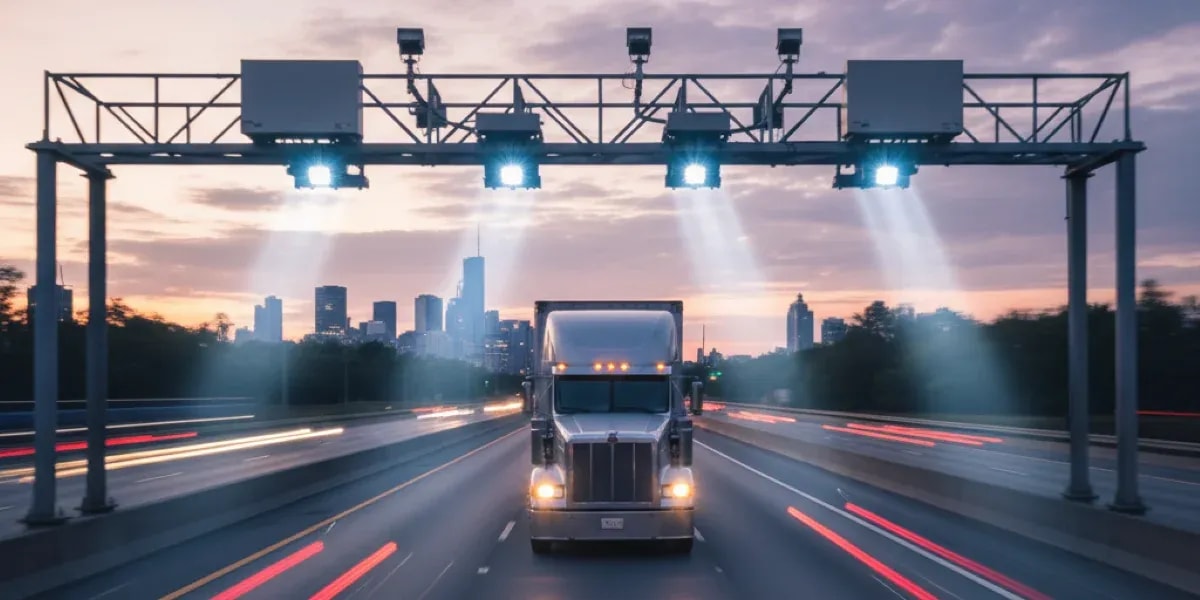
Emerging innovations in artificial intelligence, predictive analytics, and interconnected systems will create proactive security networks that anticipate threats, automate responses, and establish virtually impenetrable protection for cargo assets.
Advanced machine learning algorithms will analyze historical patterns to predict theft attempts before they occur. Systems will identify suspicious vehicle behaviors, unusual timing patterns, and coordinated criminal activity automatically, enabling preemptive security measures that stop theft at planning stages rather than execution.
Blockchain technology will create tamper-proof vehicle credential records and shipment documentation. Each plate scan generates immutable verification entries, preventing identity fraud and cargo diversion. This distributed ledger approach ensures authentic vehicle authorization, eliminating sophisticated theft schemes involving forged credentials or documentation.
Connected ALPR systems across facilities, carriers, and law enforcement will share threat intelligence instantly. When stolen vehicles or known criminal plates appear anywhere in the network, all locations receive immediate alerts. This collaborative ecosystem creates regional security barriers that criminals cannot penetrate undetected.
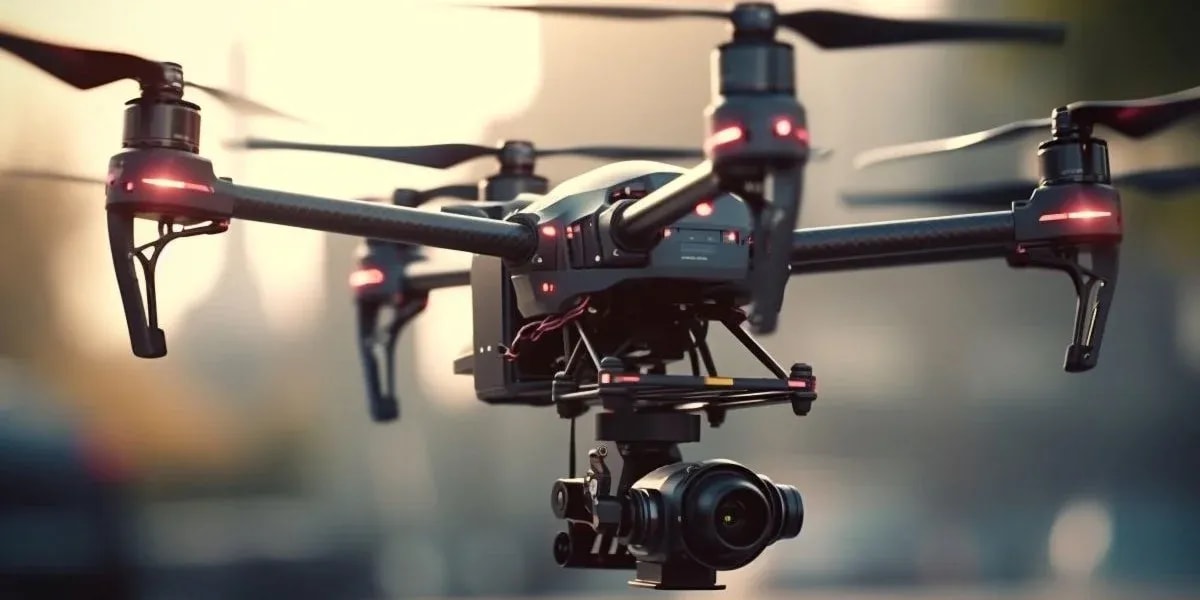
Future systems will automatically coordinate theft prevention actions across multiple security layers without human intervention. Detected threats will trigger barrier closures, redirect traffic flows, deploy drone surveillance, and alert authorities simultaneously. Millisecond response times will neutralize threats before criminals can react or escape.
ALPR will combine with facial recognition, fingerprint scanning, and digital credentials for comprehensive driver verification. Multi-layered authentication prevents vehicle theft, credential fraud, and insider threats. This convergence creates foolproof identity confirmation, ensuring only authorized personnel have access to freight facilities and cargo.
Folio3 AI delivers advanced capabilities designed specifically for large-scale logistics operations, combining cutting-edge artificial intelligence with seamless integration to existing infrastructure for maximum efficiency and security.
Deploy on your current CCTV or IP camera network without costly hardware upgrades, making it ideal for quick fleet-wide rollouts. Leverage existing infrastructure investments while adding AI-powered intelligence to transform standard cameras into sophisticated vehicle recognition systems.
Achieve rapid and accurate license plate recognition even in fast traffic, low-light environments, and adverse weather conditions. Our AI algorithms maintain 95-98% accuracy in optimal conditions and 90-95% during rain, snow, or fog for consistent performance.
Identify vehicle make, model, color, direction, speed, and dwell time to enhance both security and operational planning activities. Advanced computer vision provides comprehensive vehicle profiles that support threat assessment, compliance verification, and efficiency optimization.
Track vehicles across multiple lanes, entry points, and facility zones simultaneously, perfect for high-density freight yards and distribution centers. Single camera units cover 2-4 lanes with coordinated multi-camera deployments providing complete perimeter visibility and tracking.
Get immediate alerts for blacklisted or suspicious vehicles and automate compliance verification for faster response. Real-time notifications enable security teams to intercept unauthorized access attempts before cargo contact, while automated gate control streamlines authorized vehicle processing.
ALPR systems capture and process license plates in under 100 milliseconds, instantly cross-referencing against stolen vehicle databases and authorized carrier lists. When unauthorized vehicles attempt facility entry, security teams receive immediate alerts enabling proactive response before cargo contact.
Yes, modern ALPR solutions feature pre-built API connectors for major Transportation Management Systems, Warehouse Management platforms, and Electronic Logging Devices. Standard integration protocols enable data exchange with existing infrastructure without requiring custom development.
ALPR requires cameras with a minimum 2-megapixel resolution, 30-60 frames per second capture rates, infrared illumination for night operation, and weatherproofing. Many organizations leverage existing CCTV infrastructure by adding AI processing units.
Folio3 AI begins with comprehensive operational analysis, identifying specific security vulnerabilities and compliance requirements unique to your facilities. Our proprietary algorithms optimize for freight-specific conditions with custom rule engines defining authorization logic.
Yes, advanced ALPR systems track tractor-trailer pairings, monitoring authorized combinations and flagging unauthorized separations. Multi-location deployment creates comprehensive visibility as vehicles move between facilities with unified dashboards.
Typical investment ranges from $1,500-$3,000 per camera location. A 100-truck operation with 10 monitoring points requires approximately $235,000 first-year investment with 5-7 month payback periods.
Industry benchmarks show 70% theft reduction, 40% compliance cost savings, and 50% manual processing time reduction. Typical 100-truck fleet realizes $497,500 annual savings against $235,000 investment, generating 112% first-year ROI.
ALPR systems provide end-to-end encryption, ensuring compliance with GDPR and CCPA standards. Standard 30-90 day image retention periods align with regulatory requirements while audit trails demonstrate due diligence for DOT inspections.
AI algorithms trained on 50+ million plate images recognize patterns despite dirt, damage, or partial obstruction. Infrared illumination overcomes darkness while wide dynamic range sensors handle extreme lighting, maintaining 90-95% accuracy.
Folio3 AI delivers freight-specific optimization through proprietary algorithms addressing unique challenges like oversized vehicle profiles and loading dock lighting. Pre-built integration with 50+ logistics platforms accelerates deployment with 24/7 technical support.