ANPR
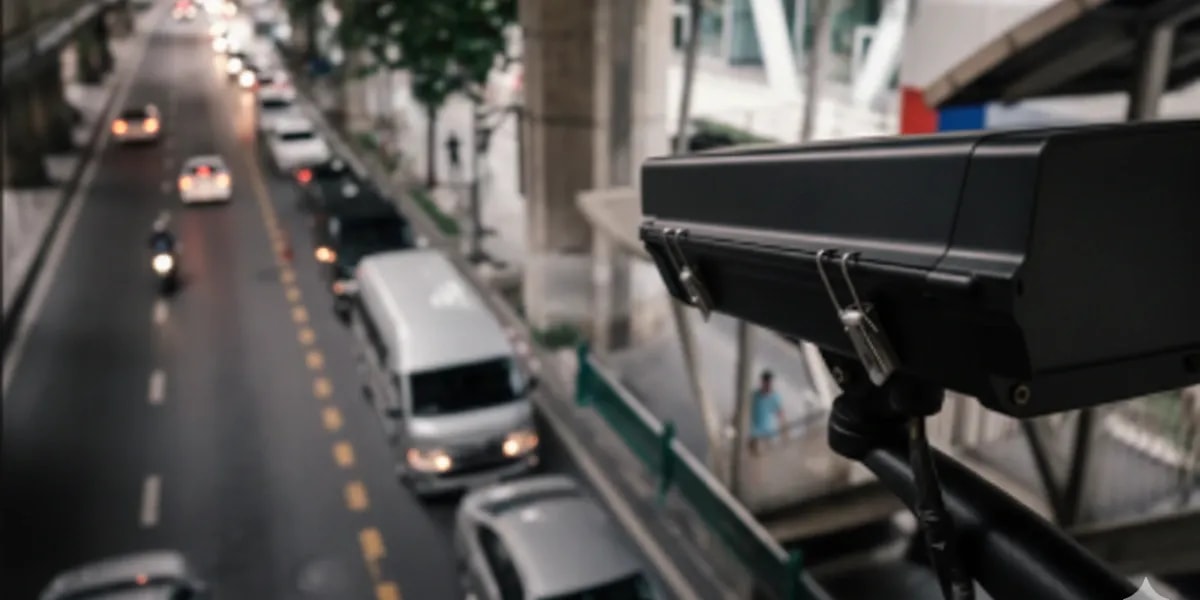
Traffic enforcement officers know the frustration well; a speeding vehicle passes by, but the single camera fails to capture a clear plate image due to poor angles or lighting. This scenario plays out thousands of times daily across cities worldwide, resulting in lost revenue, compromised security, and operational failures.
Multi-camera ALPR systems address these limitations by deploying synchronized camera networks that capture vehicles from multiple perspectives simultaneously. Single-camera ALPR systems often prove insufficient to capture all vehicles passing through a site, while multi-camera ALPR systems operating simultaneously can deliver higher success rates. Organizations adopting this approach see detection rates climb above 99%, maintaining that performance even during poor weather, low light, or heavy traffic.

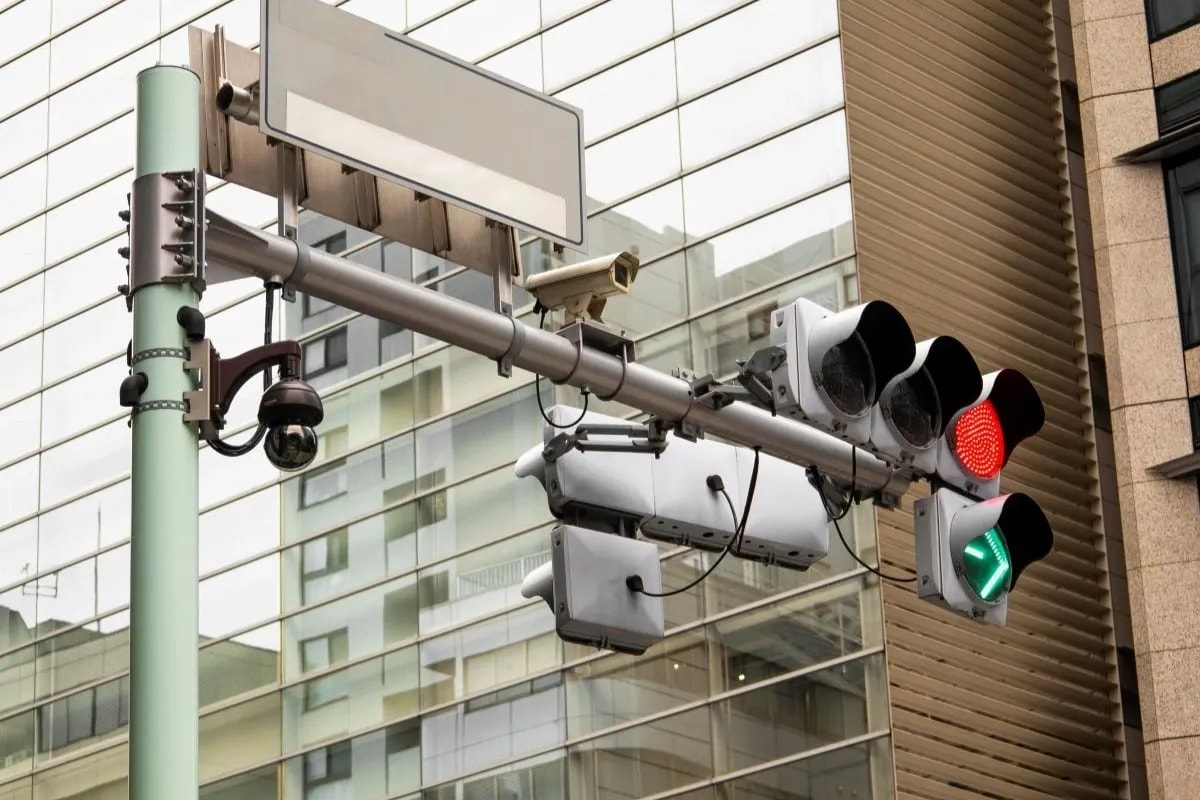
Multi-camera ALPR deploys synchronized networks of cameras positioned at strategic angles and distances to eliminate blind spots and capture comprehensive vehicle data through coordinated image processing.
Multiple camera feeds merge through artificial intelligence algorithms that synthesize data from different viewpoints, creating a unified vehicle profile with higher confidence scores than any single camera could achieve independently.
Cameras capture images simultaneously using GPS time synchronization, ensuring temporal alignment across all feeds. This coordination allows the system to correlate data from multiple sources and track vehicles accurately.
Advanced algorithms scan each frame to identify rectangular license plate shapes, distinguishing them from similar objects on vehicles. The system compensates for plate orientation, skew, and varying distances across camera feeds.
Optical character recognition software analyzes isolated plate images, normalizing brightness and contrast before segmenting individual characters. The system converts visual data into machine-readable text with validation across multiple captures.
The system averages recognition values across multiple frames and camera angles, producing higher confidence scores. This redundancy eliminates errors from single-frame issues like glare, partial occlusion, or motion blur.
Advanced hardware and software components work together to achieve superior detection rates, addressing limitations that plague traditional single-camera systems through specialized imaging and processing technologies.
Global shutter technology captures entire images simultaneously rather than line-by-line, eliminating motion blur and distortion regardless of vehicle speed. This proves essential for highway applications where vehicles travel at high speeds.
Infrared and color camera combinations enable the detection and reading of license plates with variable retro-reflective quality or those deliberately altered. Color cameras provide contextual information, while infrared ensures plate clarity.
Five-megapixel and higher sensors capture fine details necessary for accurate character recognition from distances up to 130 feet. Higher resolution supports multi-lane coverage while maintaining sufficient detail for reliable identification.
BSI sensor design improves light collection efficiency in low-light conditions, enabling consistent performance during nighttime operations. This technology ensures 24/7 operational capability without performance degradation after sunset.
Local image processing within camera units reduces latency and bandwidth requirements. Edge processing enables real-time decision-making and supports deployment in locations with limited network connectivity or where cloud processing proves impractical.
Traditional single-camera configurations face inherent limitations that compromise detection rates and accuracy, resulting in missed captures and operational inefficiencies that multi-camera systems effectively address.
Single cameras cannot effectively monitor multiple lanes simultaneously while maintaining sufficient resolution for accurate character recognition. Vehicles in outer lanes often appear at angles that reduce readability significantly.
Lower-cost ALPR cameras with insufficient processing speed struggle to capture clear images quickly; by the time they detect a vehicle and prepare to photograph, the vehicle may have traveled out of range.
Plates captured at extreme angles undergo perspective distortion that complicates character recognition. Single cameras positioned to minimize angle issues for one lane inherently create problems for adjacent lanes.
Fixed single cameras cannot adapt to varying lighting conditions throughout the day. Backlit plates during certain sun angles or shadows from overpasses create recognition failures that alternative camera positions could mitigate.
Single-camera systems handling multiple lanes experience processing delays as they queue images sequentially. This bottleneck increases with traffic density, resulting in missed captures during peak periods when accuracy matters most.
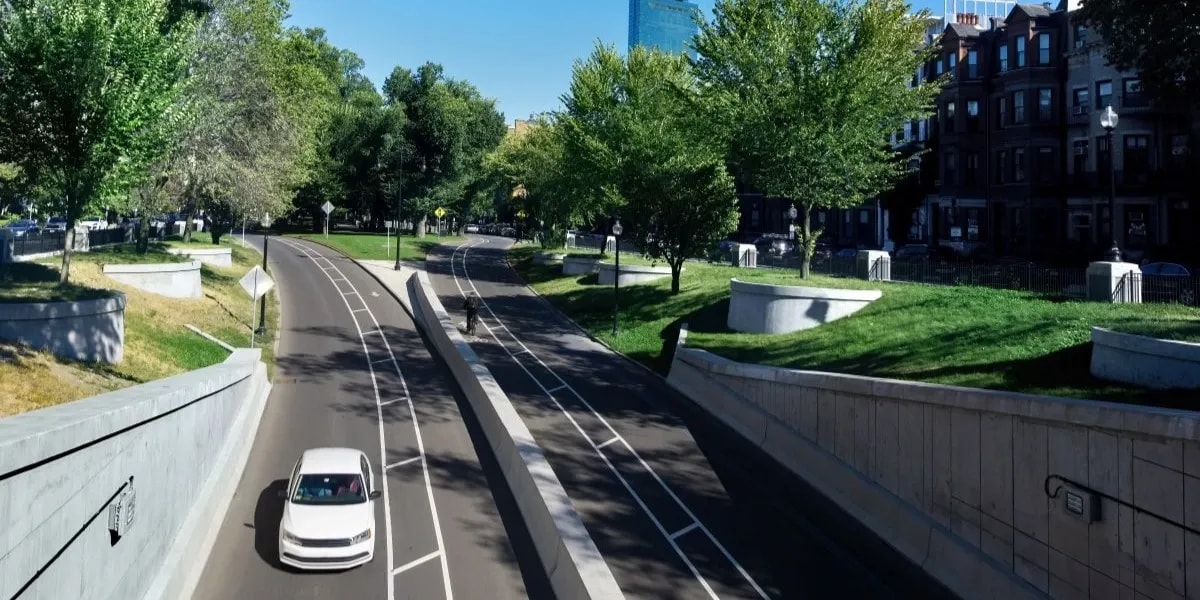
Real-world deployment environments introduce variables that significantly impact system performance, requiring robust multi-camera configurations to maintain consistent detection rates across diverse conditions.
Rain, fog, snow, and other precipitation reduce image clarity and plate visibility. Multi-camera systems positioned at different angles and heights maintain operational capability when individual cameras face compromised visibility.
Direct sunlight creates glare on reflective plates and camera lenses, washing out critical details. Strategic positioning of multiple cameras at downward angles mitigates sunglare issues that plague single fixed installations.
Dirt accumulation, physical damage, fading, and deliberate obscuration reduce plate readability. Multiple capture angles increase the probability that at least one camera obtains a clean read despite plate condition issues.
License plate formats vary by jurisdiction, with differences in character count, layout, graphics, and vanity plate configurations. Multi-camera systems with diverse viewing angles better handle stacked text and non-standard designs.
Trailer hitches, bike racks, tow bars, and roof cargo create partial obstructions that block plate visibility from certain angles. Multiple camera positions ensure alternative viewing angles when direct line-of-sight becomes compromised.
Different sectors leverage multi-camera ALPR technology to address unique operational requirements, achieving measurable improvements in accuracy, efficiency, and return on investment across diverse applications.
Video tolling supplements transponders on major toll roads where up to 10% of vehicles experience transponder failures, making ALPR essential for revenue collection. Multi-camera systems achieve 99%+ capture rates for billing accuracy.
Police departments deploy multi-camera networks at jurisdiction entry points to identify stolen vehicles and wanted suspects. Real-time alerts enable rapid response while stored data supports investigations of past incidents and movement patterns.
Multi-camera coverage in parking facilities enables automated entry/exit control, payment processing, and violation detection. Systems capture plates regardless of vehicle approach angle, eliminating manual intervention and reducing operational costs significantly.
Corporate campuses and gated communities implement multi-camera ALPR for automated resident verification and visitor management. Multiple capture points ensure identification even when vehicles approach at varying speeds or positions within lanes.
Transportation departments utilize multi-camera networks to analyze vehicle movement patterns, measure travel times, and identify congestion points. Data from coordinated camera systems supports evidence-based infrastructure planning and signal timing optimization.
Successful multi-camera ALPR deployment requires careful planning around hardware specifications, network infrastructure, system integration, and operational workflows to maximize accuracy and return on investment.
Optimal placement involves downward-angled cameras positioned 13-130 feet from target capture zones. Coverage planning must account for lane count, vehicle speed, lighting conditions, and required capture angles for comprehensive detection.
Multi-camera systems generate substantial data volumes requiring adequate bandwidth for image transmission. Edge processing reduces network demands, but centralized management systems still need reliable connectivity for real-time monitoring and data access.
ALPR platforms must interface with access control, parking management, tolling, and law enforcement databases. Compatibility with existing camera infrastructure and IT systems reduces implementation costs and accelerates deployment timelines.
System architecture should accommodate additional cameras and expanding coverage areas without performance degradation. Cloud-based or distributed processing enables scaling from single locations to regional networks as operational needs evolve.
Regular camera cleaning, lens inspection, and focus verification maintain image quality. Software updates, algorithm retraining with regional plate data, and detection zone adjustments ensure sustained accuracy as conditions and requirements change.
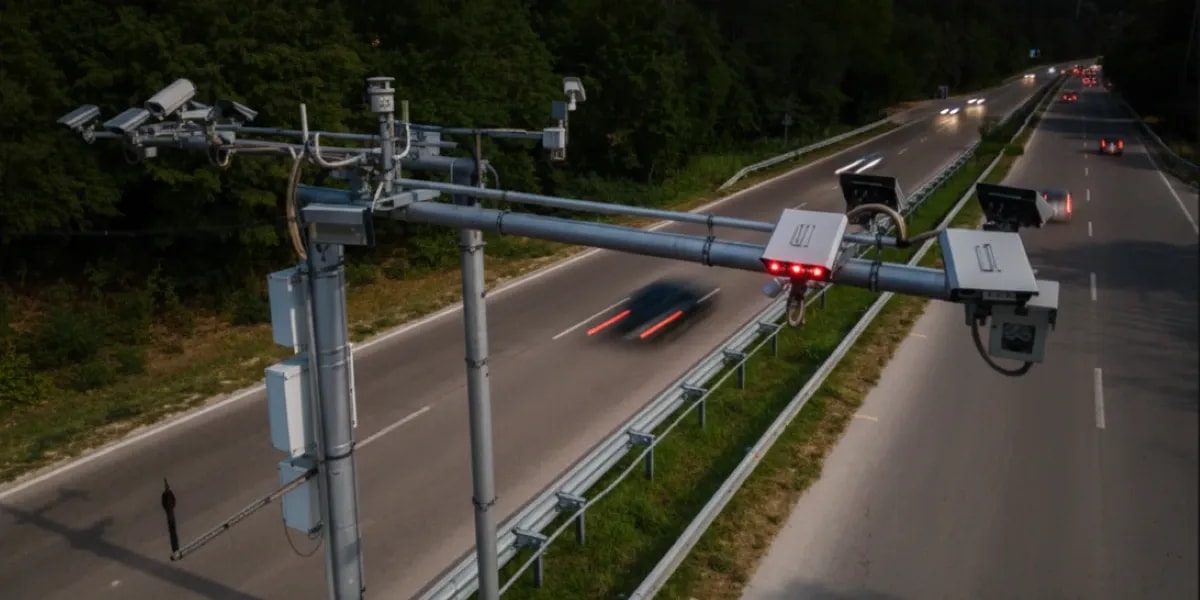
Multi-camera ALPR deployments must balance operational benefits with privacy protection, regulatory compliance, and data security to maintain public trust and legal authorization for system operation.
ALPR systems should implement CJIS-compliant encryption for data transmission and storage, protecting sensitive vehicle and location information from unauthorized access. End-to-end encryption ensures data integrity throughout the collection, processing, and storage phases.
Government and federally funded projects require video-based camera systems meeting stringent security standards. Component sourcing and manufacturing must comply with National Defense Authorization Act provisions restricting certain foreign-manufactured technology.
Organizations must establish clear policies governing how long ALPR data remains stored and who can access it. Retention periods vary by jurisdiction and application, requiring careful consideration of operational needs versus privacy concerns.
Systems should focus exclusively on license plates without capturing vehicle occupants or employing facial recognition technology. Camera positioning and field of view configuration must prevent unintended privacy intrusions while maintaining operational effectiveness.
Comprehensive logging of all system access and searches creates accountability for data use. Role-based access controls limit data availability to authorized personnel for legitimate purposes, with regular audits ensuring compliance.
Folio3 delivers enterprise-grade ALPR systems that deploy across multiple cameras simultaneously, engineered for maximum accuracy and operational flexibility. Our solutions support diverse applications from smart city initiatives to specialized industry requirements.
Deploy on your current CCTV or IP camera network without costly hardware upgrades, making it ideal for quick citywide rollouts. This compatibility reduces implementation time and capital expenditure while leveraging existing infrastructure investments.
Achieve rapid and accurate license plate recognition even in fast traffic, low-light environments, and adverse weather conditions. Our advanced algorithms maintain consistent performance across the full spectrum of operational scenarios cities encounter daily.
Identify vehicle make, model, color, direction, speed, and dwell time to enhance both planning and enforcement activities. This comprehensive data collection supports evidence-based policy decisions and more effective traffic management strategies.
Track vehicles across multiple lanes, junctions, and parking zones simultaneously, perfect for high-density urban areas. Coordinated monitoring across complex road networks provides complete visibility of vehicle movements throughout the city infrastructure.
Get immediate alerts for blacklisted or suspicious vehicles and automate parking violation issuance for faster response. Real-time notification capabilities enable proactive security measures and streamlined enforcement operations with minimal manual intervention.
Multi-camera ALPR uses synchronized networks of cameras positioned at different angles and distances to capture license plates from multiple perspectives simultaneously. This approach eliminates blind spots and dramatically improves detection accuracy compared to single-camera systems by providing redundant capture opportunities and diverse viewing angles.
Camera fusion synthesizes data from multiple cameras through AI algorithms that combine images captured from different viewpoints. This technology creates a unified vehicle profile with higher confidence scores by cross-validating plate reads, compensating for individual camera limitations, and averaging recognition values across multiple frames to eliminate single-point failures.
Law enforcement agencies use multi-camera ALPR for vehicle identification and tracking. Transportation departments deploy systems for toll collection and traffic management. Parking operators implement the technology for automated access control and violation detection. Commercial facilities leverage ALPR for security and visitor management, while logistics companies optimize fleet operations.
Single cameras face significant challenges with lighting variations throughout the day, particularly during sunrise and sunset when backlighting washes out plate details. Extreme capture angles cause perspective distortion that complicates character recognition. Fixed positioning cannot adapt to changing conditions, resulting in reduced accuracy during certain time periods and for vehicles in specific lane positions.
Yes, Folio3 provides comprehensive multi-camera ALPR solutions with full integration support for existing camera infrastructure and backend systems. We support various deployment models, including edge processing, cloud-based analytics, and hybrid architectures tailored to specific operational requirements and network environments.