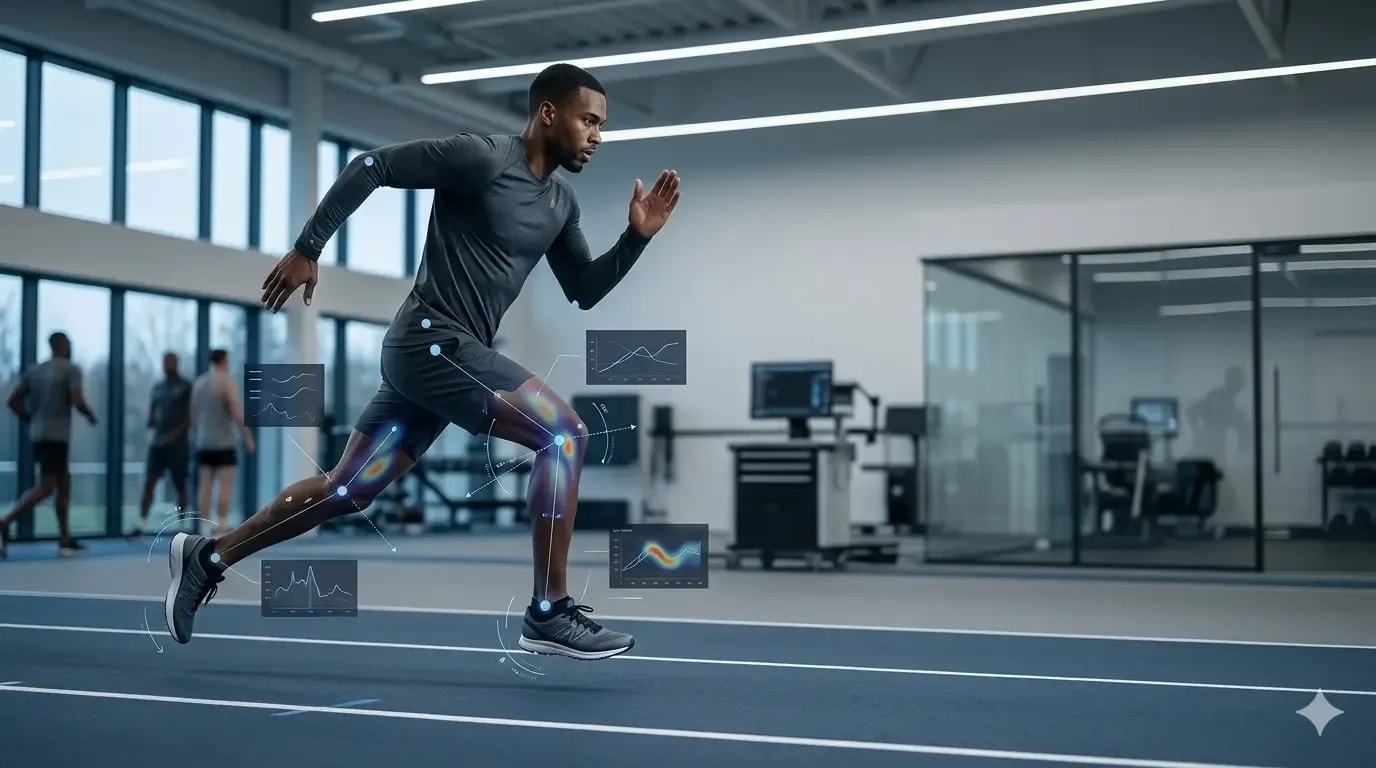
Artificial intelligence is transforming how teams prevent injuries, shifting from reactive treatment to proactive risk management. Today’s best models can predict certain injuries with up to 90% accuracy in controlled settings by combining data streams such as motion, workload, physiology, and clinical history, enabling targeted interventions before breakdowns occur. Sports injuries encompass muscle, bone, and soft-tissue damage, like sprains, strains, fractures, tendinitis, and concussions, and disproportionately affect the lower limbs, which account for more than half of cases, especially in field and court sports.
This article distills seven proven AI methods, which include wearables, GPS analytics, computer vision, EMR fusion, imaging, force/pressure systems, and physiological monitoring, and explains how a multimodal, data-fused approach consistently delivers the greatest predictive power for teams and medical staff.
Strategic Overview
AI-driven injury prediction has evolved from simple thresholds (e.g., “too many sprints”) to advanced models that integrate movement mechanics, training loads, physiology, and clinical history. Understanding injury types matters: acute (e.g., ankle sprain) vs. overuse (e.g., tendinopathy), contact vs. non-contact, and tissue-specific risks (muscle vs. ligament vs. bone).
Real-time risk assessment enables coaches and clinicians to individualize training loads and recovery before minor issues become time-loss injuries. Evidence shows the highest accuracy, often reported near 90% for specific injuries, emerges in multimodal systems that combine sensor, workload, and clinical data under controlled conditions. Below, we unpack seven approaches that teams can deploy now, and why fusing them yields the most reliable signal.
Ready to Use AI for Smarter Injury Prevention?
Discover how AI-powered analytics can help identify injury risks early, optimize workloads, and keep athletes performing at their best.
Book a Consultation
Folio3 AI Wearable Sensor Solutions for Injury Prediction
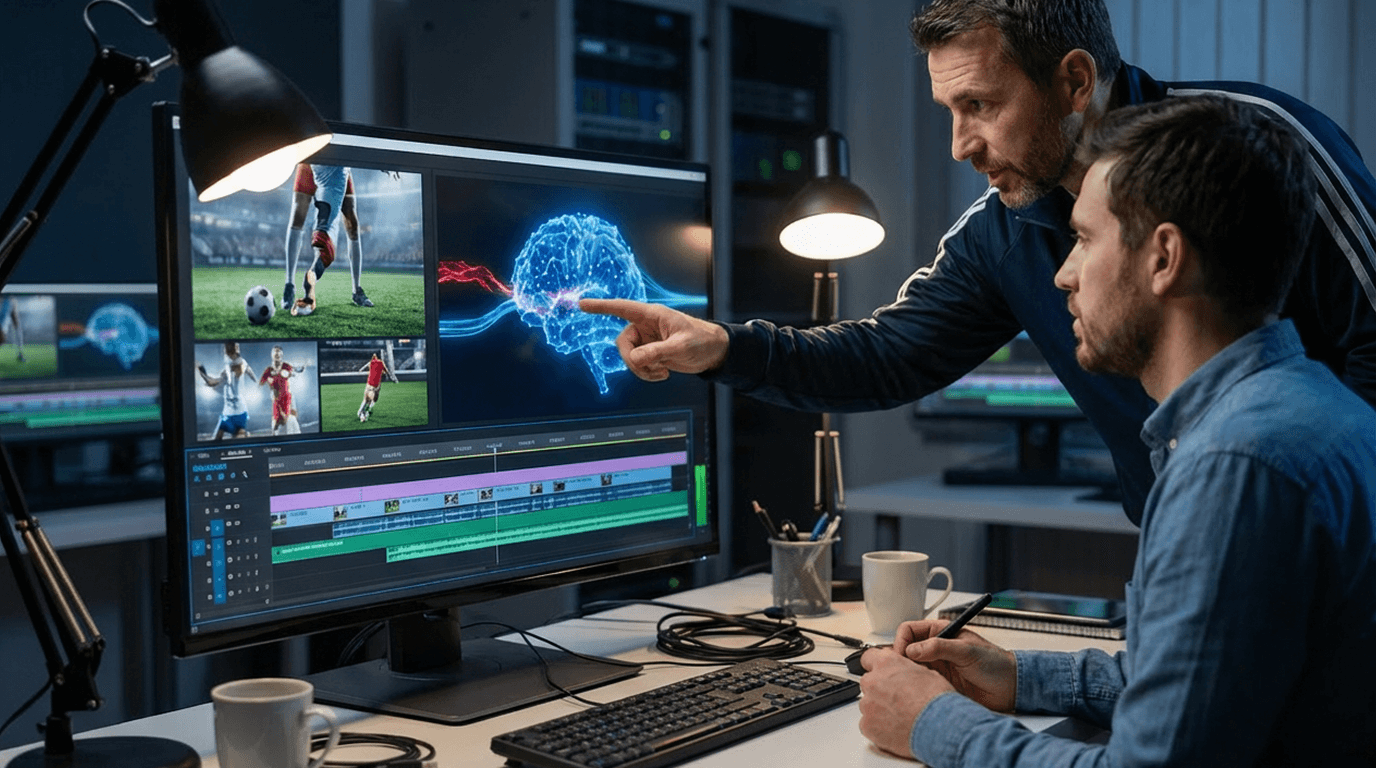
Folio3 AI delivers computer vision-powered video analysis systems that transform game footage and broadcast content into actionable coaching intelligence and performance insights. Our engineers deploy advanced movement tracking, tactical pattern recognition, and automated video breakdown tools that integrate with existing team workflows, enabling coaches and analysts to access instant performance feedback without manual video tagging.
- Proven expertise across football, cricket, basketball, baseball, ice hockey, and swimming.
- Real-time biomechanical feedback tracks speed zones, acceleration patterns, and movement efficiency.
- Automated tactical analysis delivering comprehensive performance reports within minutes of game completion.
- Sport-specific customization addressing unique strategic requirements and performance metrics.
- Scalable systems supporting academy-to-elite-level implementation with centralized analytics.
- Seamless integration with existing video management and athlete monitoring platforms.
Explore how we turn video data into a competitive advantage: Folio3 AI in Sports.
Wearable Inertial Sensors for Movement Pattern Analysis
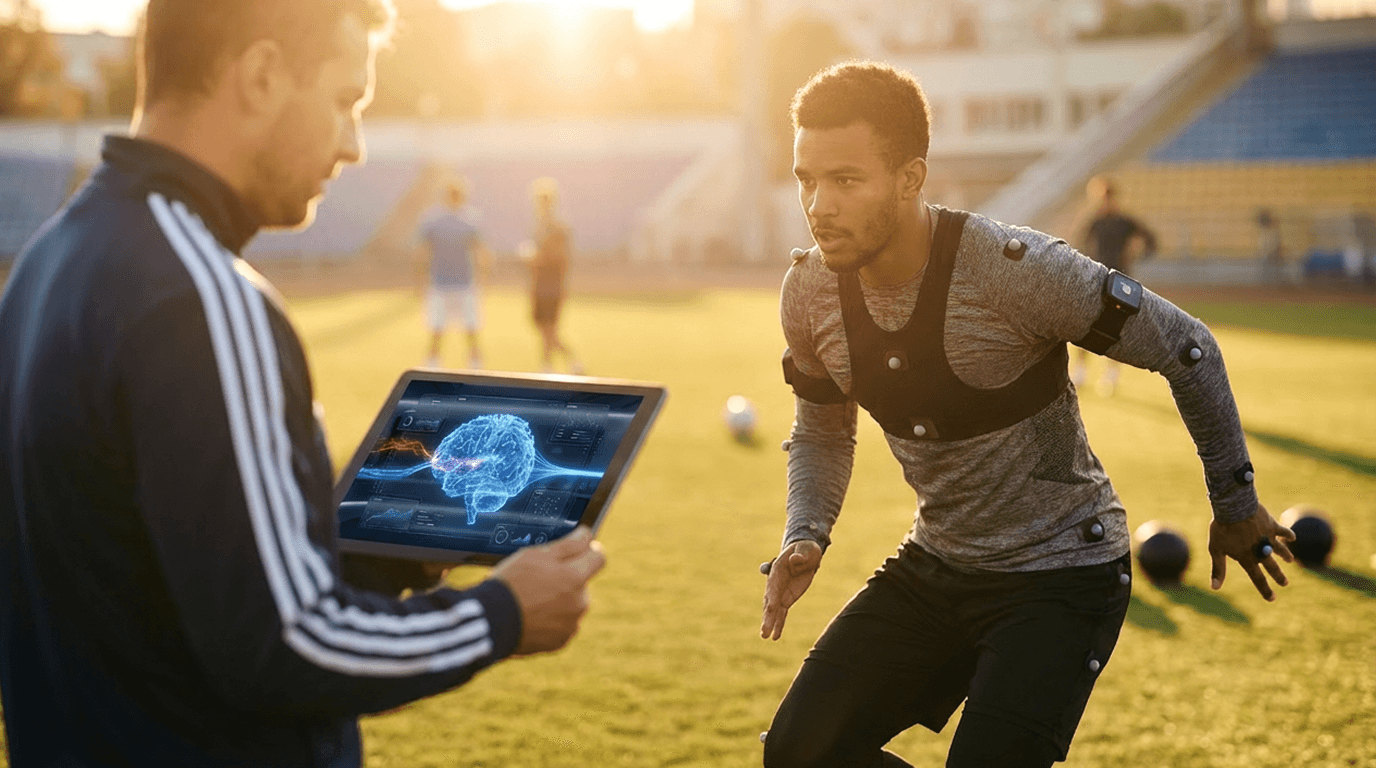
Wearable inertial sensors (IMUs) are small electronic devices that track an athlete’s acceleration, angular velocity, and orientation during activity, enabling the detection of biomechanical asymmetries linked to injury risk. Because IMUs sample at high frequency, they capture granular kinematics, like deceleration rates, limb loading, and asymmetry during cutting or sprinting, that are difficult to measure by eye.
Injury Type | IMU-Identified Risk Metrics | Predictive Value |
ACL Tear | Movement asymmetry, sudden deceleration | High (~90%) |
Ankle Sprain | Excessive inversion velocity | Moderate to High |
Hamstring Strain | Load spikes, fatigue indicators | High |
Concussion Risk | Impact acceleration thresholds | Moderate |
For a deeper dive into biomechanical signal processing with ML, see our guide to AI algorithms for biomechanical data.
GPS and External Load Analytics for Overuse Risk
External load refers to the total physical demand placed on an athlete, typically measured by distance, speed, and acceleration tracked with GPS devices. Overuse injuries often stem from chronic workload imbalances and acute spikes; monitoring acute-to-chronic load, high-speed running, and repeated accelerations helps identify emerging risk and guides intelligent periodization and tapering.
Pros:
- Real-time workload tracking
- Early detection of overtraining risk
- Scalable across teams and sports
Cons:
- Privacy concerns with location data
- Requires athlete compliance
- Potential data overload without proper analytics
Computer Vision and Pose Estimation from Video
Computer vision uses AI to analyze video and track athletes’ joint positions, identifying abnormal movements or contact patterns that precede injury. Markerless pose estimation transforms standard training or broadcast footage into joint trajectories, enabling large-scale, non-intrusive screening without markers or wearables. In controlled evaluations, these systems have flagged risky valgus collapse, asymmetrical landings, and unsafe contact angles, making them ideal for population-wide screening when high-quality video is available.
Typical Workflow:
- Video capture of athlete performance
- AI-based pose estimation and joint tracking
- Detection of abnormal movement patterns
- Risk scoring and alert generation
- Integration with medical team dashboards
Multimodal EMR and Training Load Fusion Models
Multimodal data fusion refers to AI models that combine disparate data types, like clinical history, workloads, and biomechanical signals, for more accurate predictions. Performance improves as modalities are fused: models that ingest prior injuries and surgeries (EMR), GPS/IMU loads, and movement features consistently outperform single-source approaches, particularly when delivered through integrated sports software solutions that unify these data streams for medical and coaching staff.
Data Type | Contribution to Prediction Task |
Clinical History | Baseline risk, prior injuries |
Training Load | Acute spikes, chronic workload balance |
Biomechanical Data | Movement asymmetries, fatigue indicators |
Imaging-Enhanced AI Using MRI and Ultrasound Data
This approach applies AI models to interpret MRI or ultrasound images, finding subtle patterns linked to tissue stress, inflammation, or early structural failure. Imaging-driven algorithms can quantify tendon microtears, edema patterns, and muscle architecture to produce individualized risk scores and guide targeted interventions. The trade-off is cost and throughput: imaging is less scalable for daily, team-wide screening but powerful for precision diagnostics and return-to-play decisions.
Imaging Modality | Use Cases | Integration Challenges |
MRI | Soft tissue injury detection | High cost, limited accessibility |
Ultrasound | Tendon and muscle assessment | Operator-dependent, variable quality |
X-Ray | Bone fractures | Limited soft tissue detail |
These instrumented systems measure ground reaction forces, plantar pressure, and gait symmetry to reveal biomechanical imbalances that often precede injury. Asymmetries in jump takeoff/landing, uneven midfoot loading, or altered ground contact times can signal rising risk for sprains, strains, and stress injuries; conditions that rank among the most common in sport. Elite teams deploy force plates for daily readiness checks, while clinics use pressure and gait systems to personalize rehab progressions.
Physiological and Recovery Monitoring for Fatigue Detection
Continuous tracking of recovery markers like heart rate variability (HRV), sleep, and stress enables AI to model fatigue and alert teams to elevated injury risk in real time. Fatigue-aware risk scoring complements workload and biomechanics by capturing readiness and recovery dynamics, improving the timing of deloads and training adjustments.
Recommended flow:
- Data collection (HRV, sleep, RPE, wellness)
- Real-time AI analysis and anomaly detection
- Clinician dashboard alerts
- Individualized training and recovery adjustments
Ready to Predict Injuries Before They Happen?
DSee how AI-driven sports analytics can identify injury risk early, improve athlete availability, and support smarter training decisions.
Book a Demo
Frequently Asked Questions
How accurate are AI models in predicting sports injuries?
AI models can predict specific sports injuries with up to 90% accuracy under controlled conditions using rich, multimodal data. Real-world performance varies by sport, injury type, and data quality.
What types of data improve AI injury prediction accuracy?
Combining movement mechanics, training loads, physiological signals, and clinical history yields the most accurate predictions by capturing complementary risk factors.
Can AI injury predictions replace clinical judgment?
No. AI supports clinicians by surfacing patterns and probabilities, but final decisions should remain with qualified medical professionals.
How do wearable devices contribute to injury prevention?
Wearables capture real-time movement and physiology, enabling early detection of risky patterns and informed load management before injuries occur.
What challenges affect AI injury prediction deployment?
Key challenges include data privacy, interoperability with existing systems, athlete compliance, and the need to validate models for each team and sport context.