AI in Sports
Veo Alternatives for Football and Soccer Clubs: What to Use and When to Build
Compare Veo, Hudl, Spiideo and PlayVista for soccer clubs, and learn when custom AI video analysis software that you own is the better choice.
 AI & DataAgentic AI, computer vision, generative AI
 App DevelopmentWeb, mobile, and custom software
 SecurityEngineering, warehousing, analytics
 AgtechFarm, livestock, and crop software
 FoodtechTraceability and food supply chain
 Digital HealthEHR, telehealth, and interoperability
 NetSuiteERP implementation and support
 Microsoft DynamicsDynamics 365 and Business Central
 SalesforceCRM consulting and integration
 EcommerceB2B ecommerce, ERP integrations and migrationsAI & DataAgentic AI, computer vision, generative AIApp DevelopmentWeb, mobile, and custom softwareSecurityEngineering, warehousing, analyticsAgtechFarm, livestock, and crop softwareFoodtechTraceability and food supply chainDigital HealthEHR, telehealth, and interoperabilityNetSuiteERP implementation and supportMicrosoft DynamicsDynamics 365 and Business CentralSalesforceCRM consulting and integrationEcommerceB2B ecommerce, ERP integrations and migrations
Discover what video analysis in sport really means, how it works, and why coaches rely on it to boost performance. This beginner’s guide covers types, tools, AI applications, and step-by-step workflows.
Modern athletics has moved beyond gut instinct and clipboard notes. Today, data-driven performance is the standard at every level of competition, and athletes now benefit from frame-by-frame footage that reveals what the naked eye misses.
The rise of affordable cameras, cloud computing, and artificial intelligence has made video analysis in sport more accessible than ever. What was once exclusive to billion-dollar franchises is now available to youth teams and weekend athletes.
So, what is a video analysis in sports? It is the systematic process of recording athletic performance, breaking down footage, and extracting actionable insights to improve training, strategy, and results. The growing role of artificial intelligence in sports has accelerated this transformation dramatically.
Video analysis in sport is the practice of capturing athletic performances on camera and then reviewing, tagging, and interpreting footage to gain performance insights. Rather than relying on memory after watching a game once, coaches use dedicated software to break footage into segments, tag key events, overlay visualizations, and deliver targeted feedback.
To fully grasp what a video analysis is, consider how it differs from a casual film review. Structured video analysis follows a defined workflow: intentional recording, organized tagging, detailed review, and clear feedback delivered to the athlete or team. This approach separates professional-grade analysis from simply rewatching a game.
A video analysis example might involve a soccer coach reviewing a defender’s positioning across an entire match, or a tennis instructor using slow-motion playback to examine serve mechanics frame by frame. In both cases, the goal is to turn raw footage into specific, measurable improvements.
Video analysis in sport coaching has evolved from a luxury reserved for elite organizations into a foundational coaching tool at nearly every competitive level. With smartphone cameras recording in 4K and free software like Kinovea available to anyone, the barrier to entry has never been lower.
The importance of video analysis extends far beyond simply watching replays. It is a systematic method that produces measurable improvements across multiple dimensions of athletic performance. Here are five primary reasons coaches invest in sports analysis video tools.
Video provides an objective record that eliminates the bias of real-time observation. Coaches can isolate specific actions and use slow-motion playback to spot technical flaws invisible at full speed. Athletes see exactly what they are doing right and where technique breaks down, making feedback concrete rather than abstract. Research suggests roughly 65 percent of people are visual learners, meaning video-based feedback resonates more deeply than verbal instructions alone.
By reviewing footage, teams evaluate formations, set-piece execution, and transition play. Coaches compare planned tactics against actual execution, identify opponent patterns, and adjust game plans with concrete visual evidence. Video analysis in sport coaching transforms tactical discussions from theoretical whiteboards into evidence-based strategy sessions.
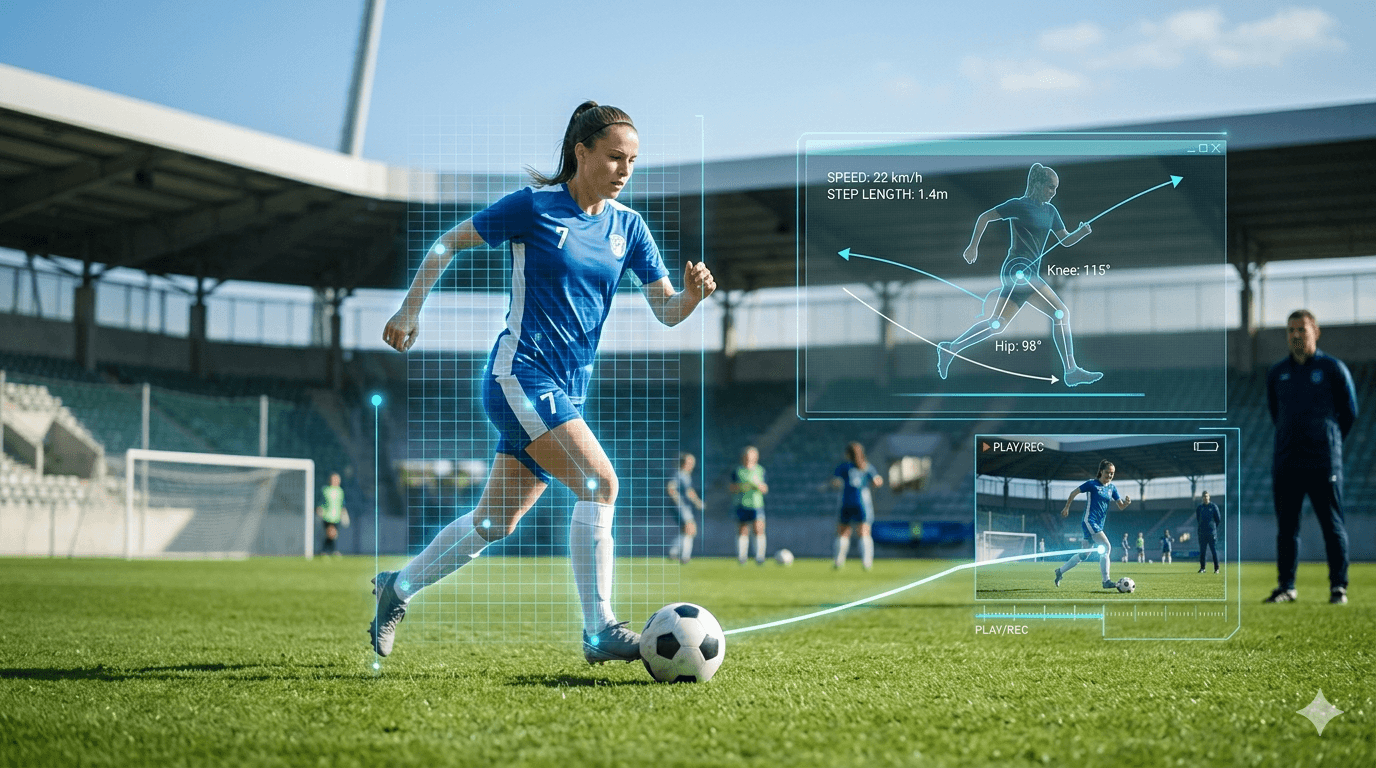
Biomechanical analysis through video allows professionals to spot dangerous movement patterns before they lead to injury. Studying joint angles, loading sequences, and landing mechanics in slow motion helps flag athletes exhibiting pre-injury movement signatures. Subtle mechanical changes are detected early rather than after damage occurs.
Video creates a permanent, searchable archive of performance history. Coaches compare footage from months or years apart to measure improvements in technique, speed, and game intelligence. This longitudinal perspective is invaluable for youth programs where tracking maturation drives better talent identification.
Video gives coaches a visual vocabulary that transcends language barriers. Instead of describing a movement, a coach can show it. This shared visual reference accelerates learning, builds trust, and ensures training sessions target real performance data rather than assumptions.
Unlock real-time athlete insights, automate performance tracking, and gain a competitive edge with advanced AI-driven sports video analysis solutions.
Explore Free ConsultationUnderstanding the workflow behind video analysis helps demystify the process for beginners. While specific tools and software vary across organizations, the core methodology follows four fundamental stages that apply to every sport and competitive level.
Every analysis begins with capturing the right footage, from a smartphone on a tripod to a multi-camera system. For team sports, wide-angle shots capturing all players are essential. For technique analysis, closer angles with higher frame rates enable detailed examination. Automated AI camera systems can track action without a human operator, making high-quality capture accessible for smaller organizations.
Footage is imported into analysis software and organized through tagging or coding. Analysts mark specific events, actions, and time stamps, creating a searchable database within the footage. Modern platforms allow custom tag buttons, player-linked events, and multi-angle synchronization on a single timeline.
Coaches review tagged events using slow-motion, frame-by-frame playback, and on-screen annotations. Tactical analysts focus on team shape and spacing. Technical analysts examine movement mechanics. Many platforms generate heat maps, statistical summaries, and data visualizations that complement visual review.
Findings are compiled into presentations or annotated clips shared with athletes and staff. The best analysts distill complex data into one or two clear coaching points per session. Modern platforms enable direct sharing through mobile apps, creating a continuous improvement loop from footage to insight to adjusted training.
Not all video analysis serves the same purpose. Different analytical approaches address different aspects of performance, and most professional organizations use a combination of these methods to gain a complete picture of athlete and team capabilities.
Tactical analysis focuses on team strategy, formations, and game plans. Analysts study how a team moves during attacking transitions, defensive shape, and set pieces. Coaches use it to prepare for opponents, adjust strategies at halftime, and evaluate whether planned tactics are being executed on the field.
Technical analysis examines individual skill execution, such as a golf swing, a basketball free throw, or a cricket bowling action. Coaches compare technique against established models using side-by-side comparison and frame-by-frame breakdown to identify inefficiencies and prescribe targeted drills.
Biomechanical analysis measures joint angles, limb velocities, and body alignment to understand forces acting on the body during performance. It is critical for sports medicine, injury prevention, and optimizing movement efficiency.
Motion analysis tracks athlete paths and speeds through space over time using player tracking technology, GPS overlays, or optical systems. It generates heat maps, distance statistics, and speed profiles, revealing workload distribution and positional coverage.
Opponent analysis, or scouting, studies rival patterns, tendencies, and vulnerabilities through video. Analysts identify preferred formations, key players, and set-piece routines to inform game plans and counter-strategies.
Unlock real-time athlete insights, automate performance tracking, and gain a competitive edge with advanced AI-driven sports video analysis solutions.
Request a DemoVideo analysis is not limited to any single discipline. Its applications span virtually every competitive sport, though the specific focus areas and analytical priorities vary based on the unique demands and rules of each game. The following sports analysis video applications illustrate how different disciplines leverage footage to gain a competitive edge.
Pitchers study arm slot, release point, and spin axis through high-speed video. Hitters analyze swing mechanics and timing against different pitches. The integration of pitch-tracking systems with synchronized video makes baseball one of the most data-rich sports environments. Learn more about how baseball video analysis software is transforming the sport with AI-powered insights into baseball data analytics.
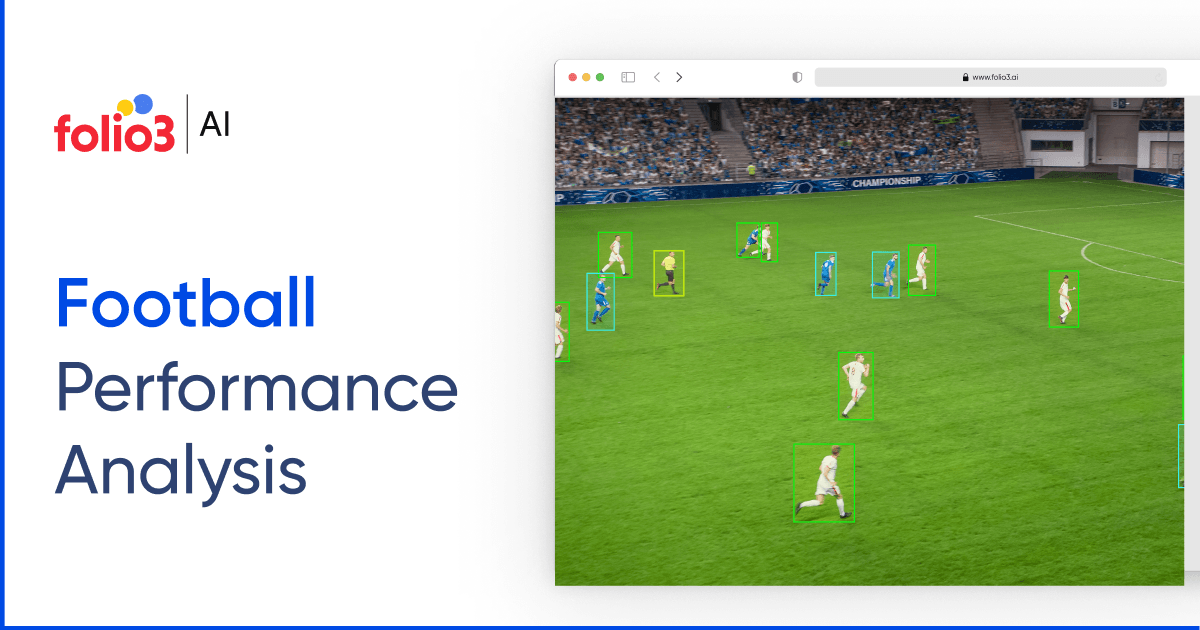
Coaching staff breaks down every snap from multiple angles, reviewing offensive assignments, route combinations, and defensive coverages. Players spend hours in film rooms studying assignments and upcoming opponents, making video analysis deeply embedded in football culture. For a deeper look at how data drives the sport, explore our guide to football performance analysis.
Analysts track shooting form, defensive rotations, and transition play. Player tracking systems generate spatial data revealing off-ball movement, screen effectiveness, and spacing dynamics. The fast pace makes quick turnaround analysis valuable for halftime adjustments.
Coaches use slow-motion tools to examine racket angle, contact point, and body rotation during strokes. Because tennis is individual, analysis is highly personalized. Opponent scouting through video is also common, with coaches studying serve patterns and court positioning.
Soccer is one of the largest consumers of video analysis globally. Clubs at every level use it for tactical planning, player recruitment, set-piece design, and post-match review. Analysts tag thousands of events per match. Technologies like automatic player detection in soccer are making these workflows faster through AI-powered soccer video analysis.
Bowlers study run-up, delivery stride, and release point. Batsmen review stance, footwork, and shot selection. Emerging AI-powered platforms use computer vision to automatically measure bowling speed, bat angle, and shot timing from standard video feeds.
Analysts focus on zone entries, breakout patterns, and power play formations. Multi-camera setups allow overhead and broadcast angle review simultaneously. Platforms enable coaches to tag plays in real time and share annotated clips between periods.
Behind every effective video analysis workflow lies a stack of technologies working together. Understanding these core technologies helps coaches and organizations make informed purchasing decisions and maximize their return on investment. Many of these systems are powered by custom computer vision development tailored to specific sport requirements.
Industry-leading platforms include Hudl Sportscode, Dartfish, Nacsport, LongoMatch, and Once Sport Analyzer. These tools provide tagging, playback controls, annotation, statistical dashboards, and presentation features. Free options like Kinovea offer a solid entry point for beginners.
AI systems automatically detect and tag events, track players, and classify actions in real time, reducing manual coding time dramatically. The global market for AI in sports is projected to reach $2.61 billion by 2030, reflecting rapid adoption.
These systems use optical sensors, GPS, or computer vision to follow athlete positions throughout games. They generate coordinates, velocities, and distances that synchronize with video for comprehensive performance views.
High-speed cameras capturing 120 frames per second or higher enable detailed slow-motion analysis of rapid movements. Complementary sensors, including accelerometers and force plates, provide additional data layers mapped onto video.
Visualization tools generate heat maps, pass networks, shot charts, and distance graphs that make complex information immediately understandable. Polished presentations and shareable highlight packages help coaches communicate findings efficiently.
For a broader look at how data drives decisions, read our guide to sports business intelligence.
Artificial intelligence is reshaping sports performance analysis. As of mid-2025, an estimated 75 percent of professional teams rely on real-time analytics, and 89 percent of sports executives expect AI to significantly impact their business within three years. Here is how AI is applied across four key areas.
Computer vision algorithms detect players, the ball, and field markings within video frames. These systems distinguish individual athletes, track positions, and estimate body poses using deep learning architectures.
AI-powered tracking follows every athlete in real time using deep learning models trained on thousands of hours of footage. The resulting data feeds dashboards displaying distance covered, sprint counts, speed, and positional heat maps.
Machine learning models analyze historical and real-time data to forecast injury risk, estimate fatigue, and model tactical outcomes. These models flag when biomechanical patterns deviate from baseline, identifying potential injuries before symptoms appear.
Advanced AI analyzes live video feeds and surfaces tactical recommendations to coaching staff on sideline devices. These systems are gaining traction in cricket, basketball, and soccer, where in-game adjustments significantly influence outcomes.
At Folio3 AI, we applied our sports video analysis expertise to build a next-generation basketball training solution for a U.S.-based sports technology startup. The project combined wearable biomechanical sensors with advanced machine learning models to deliver real-time, data-driven feedback on shooting form.
The challenge
The client faced several technical hurdles:
The solution
Our team designed a comprehensive iOS-based mobile application fully integrated with MetaMotionS biomechanical sensors. The platform processes real-time motion data through LSTM (Long Short-Term Memory) neural networks trained to detect shooting patterns and compare each shot against ideal form models. Key capabilities include:
The result
Read the full case study here.
If you are new to video analysis, following a structured process ensures meaningful results. This video analysis guide breaks the workflow into five manageable steps.
Define objectives before recording. Are you evaluating technique, studying defensive shape, or scouting an opponent? Clear objectives determine footage needs, camera angles, and tagging priorities.
Use wide-angle cameras positioned high for tactical review, or closer angles for technique analysis. Ensure stable mounting, adequate lighting, and sufficient storage. Automated camera systems free staff to focus on coaching.
Import footage into analysis software and code events that align with your objectives. Tag consistently and thoroughly, as analysis quality depends on coding quality. Use AI-assisted tagging where available for routine events.
Filter clips by event type or player, watch at multiple speeds, apply annotations, and look for patterns. Cross-reference video with statistical summaries to identify a small number of high-impact findings.
Create short annotated clips illustrating key coaching points. Present findings to athletes, keeping sessions focused on two or three themes. Design training exercises targeting identified areas to close the feedback loop. Any comprehensive video analysis guide will emphasize this step as the most critical part of the workflow.
While the benefits are substantial, organizations encounter practical challenges during implementation that are worth understanding before investing.
Modern systems generate enormous data volumes. Without clear objectives, teams risk drowning in footage that never translates into coaching points. Disciplined planning and focused tagging are the solution.
Professional-grade systems require significant investment. While entry-level options are affordable, the gap between smartphone recording and fully integrated analytics remains considerable. Scale technology investment to match realistic usage capacity.
Mastering analysis software takes time. Introduce tools gradually, starting with playback and annotation before progressing to advanced tagging and statistics, to smooth the learning curve for coaching staff.
Video analysis produces the greatest value when integrated with GPS tracking, wellness monitoring, and periodization planning. Prioritize platforms with open APIs or built-in integrations to achieve seamless data flow.
Unlock real-time athlete insights, automate performance tracking, and gain a competitive edge with advanced AI-driven sports video analysis solutions.
Explore AI SolutionsThe field of sports video analysis continues to evolve rapidly, driven by AI, sensor technology, and cloud computing. Here are four trends shaping the near future.
Markerless motion capture through standard cameras is approaching research-grade accuracy. This will democratize biomechanical analysis from specialized labs into everyday training environments.
Future platforms will seamlessly combine heart rate, muscle activation, and load metrics with synchronized video, allowing coaches to understand both what happened on the field and how the athlete’s body responded internally.
AI will handle the full pipeline from capture through insight delivery. Coaches will receive post-match analysis packages within minutes of the final whistle, transforming resource-limited organizations that lack dedicated analyst staff.
Machine learning models monitoring biomechanical patterns over time will alert staff before injuries occur. Predictive prevention represents one of the most significant AI applications in sport, promising to extend careers and protect athlete health.
In the competitive world of professional sports, leveraging advanced data analytics is crucial for securing victories. Integrating AI technology elevates this process, offering unparalleled speed, precision, and accessibility. Folio3 AI builds custom sports video analysis solutions that give coaches, analysts, and athletes the tools they need to turn raw footage into winning strategies.
Enhance your team’s on-field positioning and awareness by analyzing spatial dynamics. Our software provides insights into player spacing, formations, and positional play, allowing for better coordination and tactical execution during matches.
Visualize and review key moments of the game with intuitive video playback and analysis tools. Our software highlights significant plays, player interactions, and pivotal moments, making it easier to evaluate performance and make data-driven decisions.
Benchmark individual and team performance against predefined metrics or past performances. This feature allows for consistent performance evaluation and progress tracking, helping teams set goals and measure improvement over time.
Utilize advanced AI-driven biomechanical analysis to study players’ movement mechanics in detail. Our software assesses body posture, joint angles, and overall movement efficiency, helping coaches optimize player form, improve performance, and reduce injury risks.
Perfect for sports like baseball, golf, and tennis, our swing analysis feature provides detailed insights into swing mechanics, analyzing angles, timing, and force. This helps athletes improve their form, enhance their power, and achieve better results on the field or court.
Our software provides detailed insights into player performance by analyzing key metrics such as speed, agility, and endurance. This feature helps coaches and teams identify strengths and areas for improvement, driving enhanced training and game strategies.
Track and monitor every player’s movement on the field with precision. Our software captures and analyzes player positions, movement patterns, and dynamics, enabling teams to understand the game flow and optimize tactical decisions in real time.
Gain a deeper understanding of team strategies and opponent tactics through a comprehensive sports analysis video review. Our software breaks down plays, identifies patterns, and provides insights into how to counter opposing strategies effectively.
Our software helps minimize injury risks by analyzing players’ biomechanics and movement patterns. By identifying potential areas of strain or improper technique, coaches can make informed decisions to adjust training regimens and ensure player safety. This is a powerful video analysis example of how AI-driven tools go beyond performance to protect athlete health.
Understanding what a video analysis is starts with its purpose: to capture, review, and interpret athletic performance footage for improving training, tactics, and results. It helps coaches and athletes identify strengths, study opponents, refine technique, and make data-driven decisions.
Coaches review game and training footage, tag key events using specialized software, study performance patterns, prepare for opponents, and deliver visual feedback through annotated clips. This makes instruction concrete and easier for athletes to apply in training.
Popular options include Hudl Sportscode, Dartfish, Nacsport, LongoMatch, Once Sport Analyser, and Catapult Pro Video. Free tools like Kinovea are available for coaches on limited budgets. The best choice depends on the sport type, budget, and specific analysis needs.
Yes. AI automates player tracking, event detection, and metric generation. Computer vision analyzes footage in real time, while machine learning predicts injury risk and tactical outcomes. Approximately 75 percent of professional teams now use AI-driven analytics.
Absolutely. Free platforms like Kinovea and affordable options like LongoMatch offer intuitive interfaces requiring no technical expertise. Even recording with a smartphone and reviewing at a slow speed constitutes basic video analysis. Start simple and explore advanced features as confidence grows.
Key benefits include objective performance feedback, accelerated skill development through visual learning, improved tactical awareness, early injury detection through biomechanical review, and long-term progress tracking that enables evidence-based coaching decisions.
Compare Veo, Hudl, Spiideo and PlayVista for soccer clubs, and learn when custom AI video analysis software that you own is the better choice.

Explore 10 leading AI development companies for sports video analysis in 2026, helping teams and sports businesses unlock smarter tracking, performance insights, and tactical decision-making.