ANPR
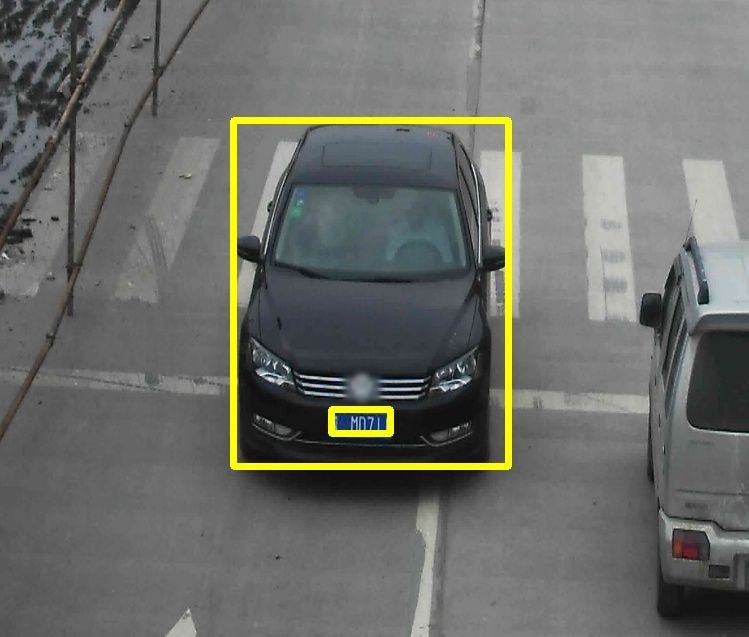
Modern computer vision methods and OCR algorithms create a Real-Time license Plate Detection and Recognition App that accurately recognizes and interprets license plates in real-time.
In today's digital age, technology has allowed us to automate tasks that previously required a lot of time and were prone to error. The ability to identify and recognize license plates is one such area where technology has advanced significantly.
A robust license plate detection app may now use real-time image processing and artificial intelligence algorithms. In this blog, we will examine the development of such an app and review its possible uses.

Real-time license plate detection is the cornerstone of our app for detecting and identifying license plates. In order to recognize and pinpoint license plates inside the frame, this approach utilizes real-time analysis of video or picture streams.
The program can properly recognize license plates regardless of changes in illumination, angles, or plate designs by using cutting-edge computer vision algorithms like edge detection, contour analysis, and object recognition.
There are a few key elements that must be taken into account while developing a reliable license plate detection app. First and foremost, we need a trustworthy picture or video input source, like a camera or video stream. In order to process the data and identify prospective license plate regions, we must then put the required computer vision algorithms into practice.
These algorithms can be trained using machine learning techniques on a sizable dataset of labeled license plate photos to achieve high accuracy.
Let’s discuss the process of building a license plate detection app.
Data collection:
A sizable dataset of labeled license plate images is needed to train the license plate detection model. To ensure robustness and generalization, this dataset should comprise a variety of license plate styles, backgrounds, lighting setups, and perspectives.
Using publicly accessible datasets, web scraping, or manually taking pictures are all ways to gather a diverse dataset.
Data preparation:
After the dataset has been put together, preprocessing procedures are crucial to improving the data's quality. Typically, this entails scaling the photos, adjusting the lighting, and removing any noise or artifacts that can compromise the model's accuracy.
Additionally, the photos must be annotated with bounding boxes around the license plates for training and evaluation.
Real-time license Plate Recognition:
The next stage is to identify the characters on the license plate once they have been discovered. The alphanumeric data is extracted from the recognized license plate during this procedure called optical character recognition (OCR).
OCR systems use machine learning and pattern recognition methods to interpret characters accurately. Using potent deep-learning models, we can recognize license plate numbers and letters with high accuracy.
Integrating the Components:
Combining the license plate detection and recognition elements into a single application is essential for a smooth user experience. This entails creating an easy-to-use user interface that enables people to submit movies or images for processing.
The app should show the detected license plates and the accompanying recognized characters in real time. The application's usefulness can be improved by adding capabilities like historical data archiving and report generation.
Real-time license plate detection and recognition software has a wide range of applications. Law enforcement organizations can use automatic surveillance to identify stolen vehicles or monitor suspicious activity.
Parking management systems can use the software to streamline operations and automate the issuance of tickets. The app's capabilities to speed up vehicle identification and simplify operations can also be advantageous for toll booths and access control systems.
Real-time license plate detection and identification technology are developing quickly. Researchers continually create more precise algorithms and training models on larger datasets to enhance performance.
Real-time license plate identification and recognition is also becoming more and more accessible for various devices and applications thanks to the integration of deep learning with edge computing technologies, which has made processing faster and more effective.
The development of real-time license plate detection and recognition software creates new opportunities for automating procedures requiring vehicle identification. We can develop reliable and precise solutions that boost security, optimize traffic management, and enhance overall operational efficiency by utilizing the power of computer vision, artificial intelligence, and machine learning. Future technological developments will likely result in even more advanced uses for this technology.
How precise are license plate identification and detection?
The caliber of the training data, the strength of the algorithms, and the optimization of the models all affect how well license plates can be detected and recognized. Modern computer vision algorithms can detect license plates and recognize the characters accurately with the right training and fine-tuning.
Can an app that detects license plates be linked with current systems?
A license plate recognition app can be connected to current programs or systems. Databases, security systems, or parking management software can all easily incorporate the app's output, such as the identified license plate numbers. The existing systems are now more automated and efficient thanks to this connection.
How does the program for detecting license plates handle various license plate designs?
A well-trained license plate detection program can handle numerous license plate designs by learning from various datasets throughout the training phase. The software understands the common patterns and characteristics of various license plates, enabling it to properly detect and identify plates of various types, designs, and formats.
Can the license plate recognition app adjust to new license plate standards or regulations?
The license plate detection app can adapt to changing license plate standards or rules through regular updates and enhancements. The program can learn new patterns and adjust to changing license plate designs or rules by upgrading the training dataset and improving the algorithms, assuring its continued use.
Can mobile devices be used to deploy the license plate detection app?
The license plate detection app can be installed on mobile devices, enabling license plate recognition and detection while the user is on the go. Users can easily take and analyze photos or videos to detect and identify license plates in real-time by utilizing the processing capacity of modern smartphones and linking the app with mobile platforms.